
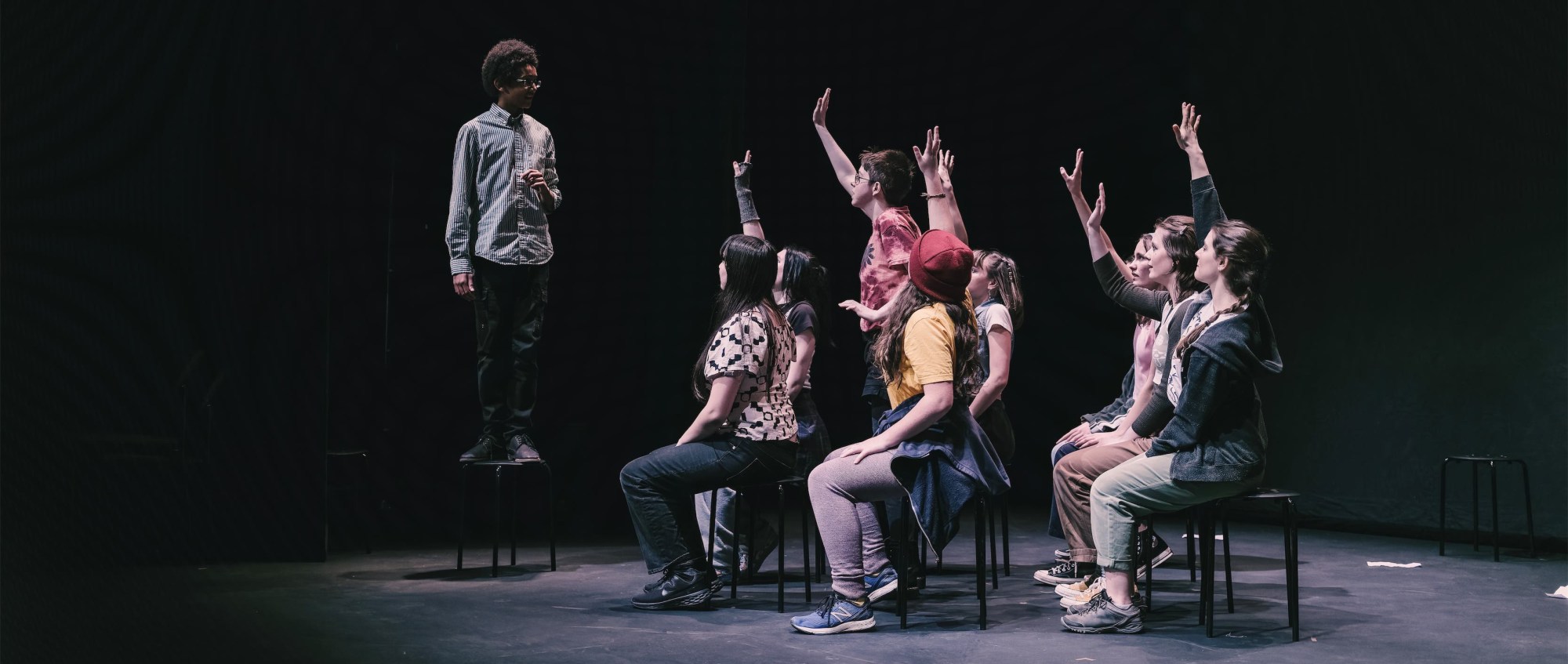
Welcome to the 12 Toolbox (2018 – 2026)! Here you can find sources, resources, activities and ideas that have helped to form 12 since its beginnings in 2018, through to our latest production 12 (2.0) in 2026. You will also discover the research and writings by the cast. We encourage you to use this to guide your interest in learning more about the ever-evolving 12 productions as well as in climate change–the science, the people and the quest for solutions. For school curriculum links please see below. You can even contact us here if you discover something that you think we should add to our Toolbox!
Bienvenue à la Boîte à Outils de 12 (2018 – 2026) ! Vous trouverez ici des sources, des ressources, des activités et des idées qui ont contribué à les créations de 12, depuis 2018. Vous découvrirez également les recherches et les écrits des acteurs. Nous vous encourageons à utiliser cette boîte à outils pour approfondir vos connaissances sur les productions de 12 (qui évoluent tout le temps!) et sur le changement climatique, la science, des personnes impliquées et de la recherche de solutions. Pour les liens vers les programmes scolaires, veuillez consulter la section ci-dessous. Vous pouvez même nous contacter ici si vous découvrez quelque chose qui, selon vous, devrait être ajouté à notre boîte à outils !
The TOOLBOX, like all the 12 productions, is a living, growing, and changing entity. Each play is different, yet it builds on and responds to the previous production. The Toolbox content includes information and ideas from 12‘s beginnings in 2018, through to the latest production, 12 (2.0) in 2026. For 12 (2.0), the content–like the new play–is in both English and French.
La BOÎTE À OUTILS (TOOLBOX) est en constante évolution tout comme les productions de 12. Chaque mouture est différente, mais elle s’appuie sur la production précédente et y répond. Cette BOÎTE À OUTILS comprends des informatIons datant des débuts de 12 jusqu’à sa dernière production, 12 (2.0) en 2026. Pour 12 (2.0), le contenu et la pièce sont bilingues: français/anglais.
You can use this Table of Contents to jump to a particular section | Vous pouvez utiliser cette table des matières pour accéder à une section particulière:
- Youth Fighting For Change | Jeunes Luttant Pour Le Changement
- Research and Sources | Recherches et Sources
- In Simple Terms: Words & Naming In 12 | Mots et noms en 12
- Wonders of the Earth (Nature Facts) | Merveilles de la Terre
- Other Sources of Inspiration | D’autres Sources d’Inspiration
- Activities | Activités
- Curriculum & Connections | Programme scolaire et liens
Youth Fighting For Change | Jeunes Luttant pour le changement
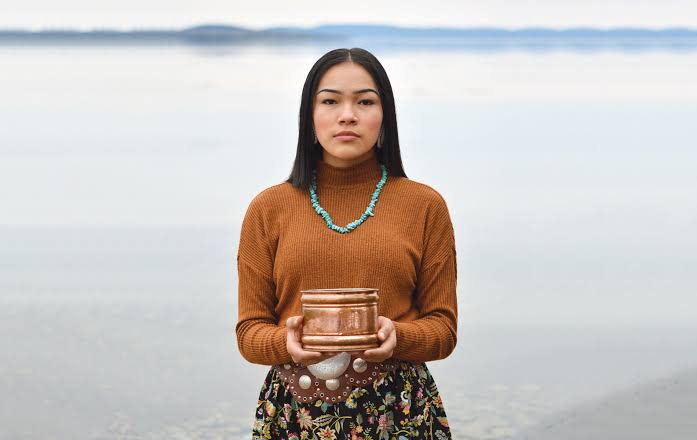
[Image Description: A teen looks at the camera. She wears a brown sweater, has long black hair, and wears a turquoise necklace. | Une adolescente regarde la caméra. Elle porte un pull marron, a de longs cheveux noirs et porte un collier turquoise.]
Autumn Peltier
Last update | dernière mise à jour 12 (2023)
‘We can’t eat money or drink oil’, said the 17-year-old from Wiikwemkoong First Nation in Canada. Autumn is a Canadian Indigenous water activist who fights for the right of people to drink clean water. When she was 12 (yes!), she walked up to Canada’s Prime Minister and said, “I am very unhappy with the choices you’ve made.” Justin Trudeau replied in 2019, “I understand that. I will protect the water.” In your opinion and research, has he?
Read more about her here.
Boyan Slat
Last update| dernière mise à jour 12 (2023)
![[Image Description: photo of young man in blue shirt with the ocean clean up logo and with loose short brown hair and facial hair.]](https://100wattproductions.com/wp-content/uploads/2024/04/image-3.png?w=685)
Boyan was played by Character #7 in episode 10a (12, 2023). He is the Founder and CEO of The Ocean Cleanup. His goal is to create technologies that may solve societal problems such as the climate crisis. In Boyan’s words:
“For society to progress, we should not only move forward but also clean up after ourselves.”
“In 2011 at aged 16, Slat said he found more plastic than fish while diving. He made ocean plastic pollution the subject of a high school project examining why it was considered impossible to clean up. He later came up with the idea of building a passive plastic catchment system, using circulating ocean currents to net plastic waste. Slat discontinued his aerospace engineering studies to devote his time to developing his idea. He founded The Ocean Cleanup in 2013.” (Source from the Ocean Clean up website here.)
“Technology is the most potent agent of change. It is an amplifier of our human capabilities”, Slat wrote in The Economist. “Whereas other change-agents rely on reshuffling the existing building blocks of society, technological innovation creates entirely new ones, expanding our problem-solving toolbox.”
Watch below Boyan’s current SYSTEM 002:
Clover Hogan
Last update | dernière mise à jour 12 (2.0) (2026)
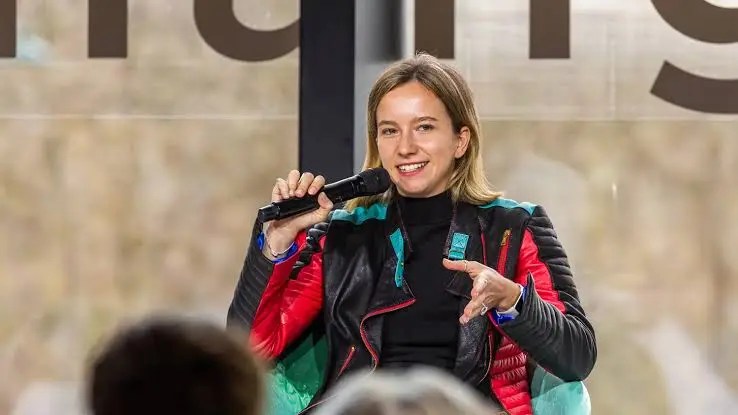
Clover Hogan, played by #5 (12 (2.0), started her activism at age 11 after watching climate and wildlife documentaries. In 2019, severe wildfires hit her home country of Australia, leading to some of the worst eco-anxiety she had ever felt.
Clover defines eco-anxiety as feelings of stress, overwhelm, fear, and grief toward the climate and ecological crisis. Eco-anxiety’s close cousin is “ecophobia”; the feeling of powerlessness in the face of environmental catastrophe.
At 19, Clover created Force of Nature, a youth non-profit that turns climate anxiety into action. Since 2019, they have delivered Anxiety to Agency workshops to 100 youth, co-led the largest study into youth mental health, released multiple reports concerning climate change and eco-anxiety, and launched a youth advisory board chaired by Clover.
Clover Hogan est jouée par #5 (12 (2.0). Elle a commencé son activisme à l’âge de 11 ans après avoir regardé des documentaires sur le climat et la nature. En 2019, des feux de forêt ont frappé son pays natal (l’Australie) menant à de douloureuses crises d’éco-anxiété.
Clover définit l’éco-anxiété comme comprenant des sentiments de stress, de dépassement et de peur en ce qui à trait au changement climatique. L’éco-anxiété est un cousin de l’éco-phobie; un sentiment d’impuissance par rapport à la catastrophe climatique.
À 19 ans, Clover à créé Force of Nature », un ONG menée par des jeunes qui convertit l’éco-anxiété en action. Depuis 2019, ils ont donner l’atelier « de l’Anxiété à la Prise de Décision » à cent jeunes, ont co-dirigé la plus grande étude sur la santé mentale de la jeunesse, ont publié des rapports au sujet du changement climatique et de l’éco-anxiété en plus de lancer un conseil jeunesse mené par Clover.
Check out Force of Nature’s podcast here.
Le podcast « Force of Nature » ici [En anglais seulement]
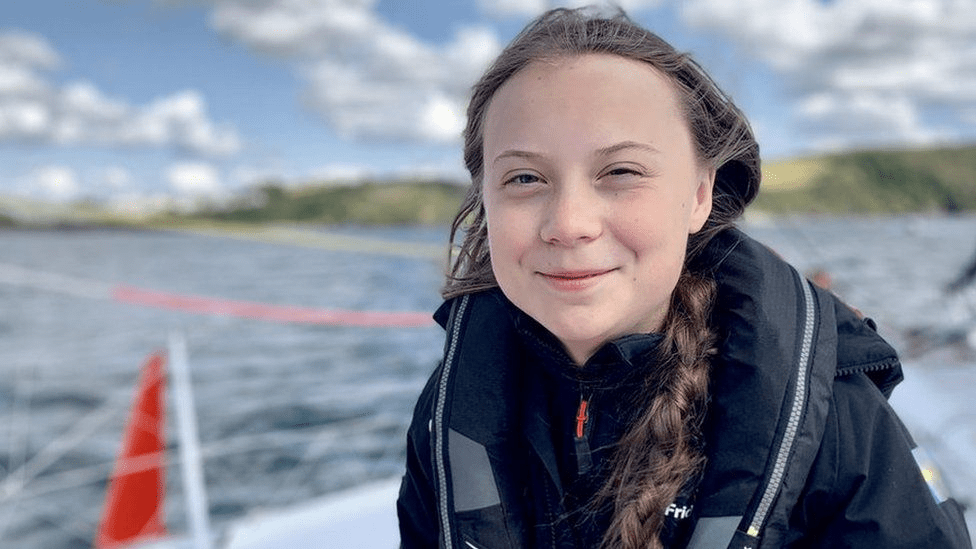
[Image Description: A youth on a boat on water wears a dark blue jacket and smiles at the camera. She has long blond hair in a braid.]
Read more about her here.
Greta Thunberg
Last update | dernière mise à jour 12 (2023)
Greta is played by Character #9 in 12. Greta was born on January 3, 2003, in Sweden. She is an environmental activist who works without stopping, with relentless hope and with core courage to fight climate injustice. She founded the movement called Fridays for Future (also called School Strike for Climate).
Iyess El Kortbi
Last update | dernière mise à jour 12 (2.0) (2026)
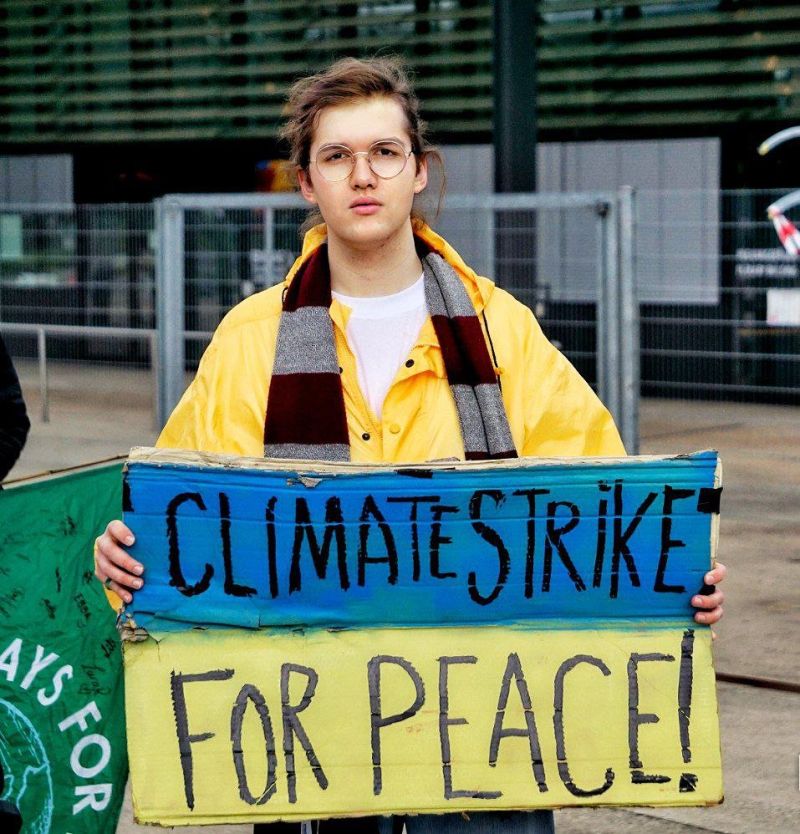
Iyess El Korbi, played by #10 (12 (2.0), founded Fridays for Future with Greta Thunberg and is the coordinator of the Ukrainian delegation to the 16th United Nations Climate Change Conference of Youth. Their first strike was in March, 2019, with only 6 people. They protest against the use of fossil fuels in the war in Ukraine.
Iyess El Korbi est joué par #10 (12 (2.0). Il a fondé le mouvement « Fridays for Future » avec Greta Thunberg et est le coordinateur de la délégation ukrainienne pour la seizième conférence mondiale de la jeunesse. Leur première grève (mars, 2019) ne comprenait que six personnes. Ils protestent contre l’utilisation des combustibles fossiles dans le cadre de la guerre en Ukraine.
Jaden Anthony
Last update | dernière mise à jour 12 (2023)
Jaden was played by Character #2 in episode 10a (12, 2023). He is the author & super cool creator of Kid Brooklyn, a graphic novel series about environmental and social issues. In his novels, Jaden created a fictional story about a child from Brooklyn who, together with his friends, receives special powers to save the planet from evil aliens (well, corporations). In Kid Brooklyn, once the characters accept their destiny, they must use these powers to stop the alien race from destroying Earth’s natural resources.
“Born premature and under 2 pounds, Jaden Anthony has been a “superhero” since birth and is not only the co-creator of the Kid Brooklyn franchise but also its main character. Aside from his aspirations to be an engineer and scientist, Jaden frequently speaks about his desire to make the world better by helping children.” (Source here).
And now? Kid Brooklyn, Inc. gives a portion of the proceeds to various charities that support education and the environment.
To read even more about Jaden click here.
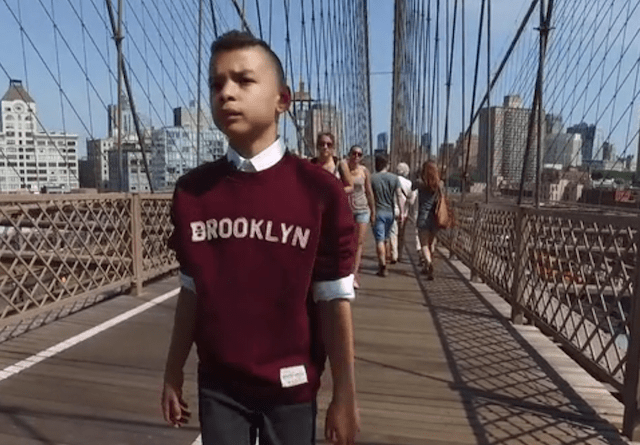
[Image Description: A youth wears a burgundy sweater that says BROOKLYN. He walks across the Brooklyn Bridge]
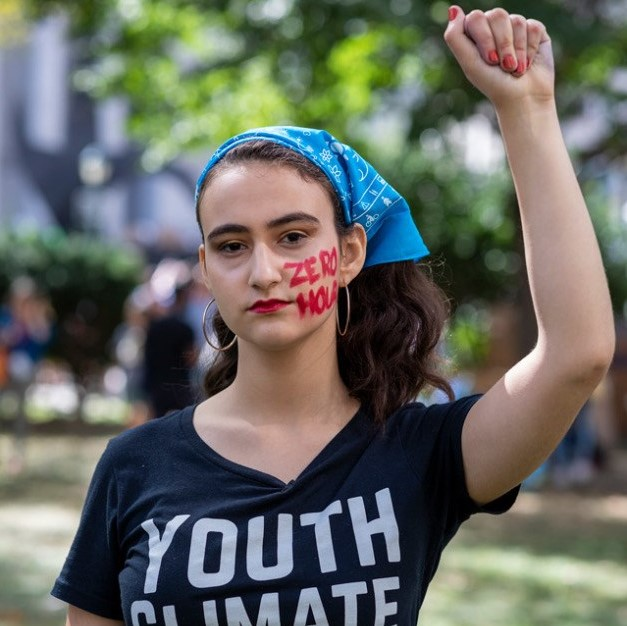
[Image Description: A youth marches with one arm in the air. She wears a t-shirt that says “Youth Climate”, has a blue bandana on her head and red ink on her face]
Sources: International Congress of Youth here and Climate One website here.
Read more about her here.
Jamie Margolin
Last update | dernière mise à jour 12 (2023)
Jamie is played by Character #1 in episode 10a (12, 2018-2023). “Heard of Zero Hour? That’s her!”, says Character 11 to Khalid when Jamie appears.
She’s a youth Colombian-American activist, author, public speaker, and Film & TV student. Jamie co-founded the international youth climate justice movement Zero Hour which led the official “Youth Climate Marches” in Washington, DC and in more than 25 cities around the world in 2018. The marches continue, with over 1300 in 2022!. In Jamie’s words:
“So, every night, I go to bed with wishful dreams of that beautiful near-future post-climate-change world, and every day I wake up and work to make it happen.”
As Jamie, Character #1 says in 12: “No little kid is dreaming and she’s like, I hope to spend the rest of my life desperately fighting against this massive catastrophe!”
“Her identity as a Latina Jewish lesbian drives her passion to fight for those who are marginalized. Margolin’s love for her Pacific Northwest home fuels her efforts.
Jamie is also a writer! Youth To Power, herdebut book, is a guide to being a young activist. It was released in 2020.
Sophia Kianni
![[Image Description: Youth with long brown hair wearing a white blazer stands outside in front of a hedge.]](https://100wattproductions.com/wp-content/uploads/2026/01/sophia_kianni_headshot_outside.jpg?w=685)
Last update | dernière mise à jour 12 (2026)
Sophia inspired our use of multiple languages in all versions of 12 and is played by Corinne in 12 (2.0). Our research and awakened us all to an enormous imbalance when it comes to who receives climate information. Sophia is a now 23-year-old American-Iranian Climate Activist and a Member of the UN Secretary-General’s Youth Advisory Group on Climate Change.
Read more about her here.
“I just thought this was an idea to share in some way, or even to just for our 12 group to be aware of. Climate change needs to be a global effort, but it can’t be when organizations and governments can’t so much as make their information available to more than just North America. It’s performative activism. This lack of accessible information and climate education within schools is leading to misinformation and public disinterest from the countries, such as Japan and the Philippines, whose communities are being destroyed the most.” – Anna, Character 5 in 12
Here’s what Anna discovered:
- In 2020, Sophia founded a youth-led nonprofit organization called Climate Cardinals, which is working to make the climate movement more accessible to non-English speakers. Learn more about them here.
- She also discussed how UN IPCC reports (which contain information referenced in 12), are only officially available in the 6 UN languages: Arabic, Chinese, English, French, Russian, and Spanish. These combined languages don’t account for half of the world’s speaking population!
- Sophia also stated, “Just 6 years ago, 40% of adults in the world had never heard of climate change”. That’s 2 out of 5 adults!
- With Climate Cardinals, as of 2022-23, over 9,000 student volunteers are translating and sourcing climate info into over 100 languages! They have reached over 41 countries and 350,000 people.
Last update | dernière mise à jour 12 (2.0) (2026)
Sophia Kianni is played by #1 in 12 (2.0). At age 12, she noticed that there was so much smog and pollution in her home in Iran, so she started to investigate climate change. She tried talking to her grandparents, but they had no idea. She found out that only 5% of Iranian students knew about climate change because there are very few resources in Farsi. Sofia started to translate documents so that her family could understand what was going on and why.
She started Climate Cardinals, a group of 8000 student volunteers–teens mostly– who gather on social media. They translate climate literature into over 100 languages, focusing on the disproportionately affected areas. Learn more about Climate Cardinals here.
Sophia Kianni est jouée par #1 (12 (2.0). À l’âge de 12 ans, elle a remarqué le smog et la pollution dans son pays (l’Iran). Elle a commencé à s’informer sur le changement climatique. Ses grands-parents ne savaient pas ce que c’était. Elle a découvert que seulement 5% des étudiants iraniens étaient au courant du changement climatique parce qu’il y a peu de ressources disponibles en farsi. Sophia s’est mise à traduire des documents afin que sa famille puisse comprendre ce qui se passe.
Elle a créé « Climate Cardinals » un groupe de 8000 étudiants volontaires qui se retrouvent sur les réseaux sociaux. Ils traduisent la littérature climatique en cent langu.

[Image Description: A youth with long brown-blond hair and a green top smiles at the camera. She wears blue bracelets.]
“When this is all over, I’ll be able to look back and say, “I really did something important today.” –Marinel (Teen Vogue Magazine)
Marinel Ubaldo
Last update | dernière mise à jour 12 (2023)
Marinel was played by Character #5 in episode 10a (12, 2018-2023) and keeps inspiring our 12 team! She is one of the leading youth climate activists dedicated to driving change in Asia (the Philippines). In her words, it’s not about “monetary, fame, nor any material gains”, but simply “the acknowledgment of the climate crisis and to give justice to those who have suffered and died because of climatic disasters.” Marinel added,
“I don’t need people to be touched by my story. I need them to take action.”
In an interview, Marinel said, “My message to world leaders is simple: climate change is already happening and it’s everyone’s problem. Just because you’re not aware that it’s happening or you don’t feel it, doesn’t mean it’s not there. The future of children and young people is at stake and it depends on the actions of all of us, together. Young people have a responsibility, too. We are not just victims and spectators. We must get involved and have a say in decisions that affect our lives. I’m here to raise my voice.
If you’d like to read more about Marinel, click here.
Vanessa Nakate
Last update | dernière mise à jour 12 (2.0) (2026)

Vanessa Nakate, played by #2 (12 (2.0), is a Ugandan climate activist and the founder of Youth for Future Africa and the Rise Up Movement. In 2018, she witnessed how climate change was ravaging her community and country. Inspired by Greta Thunberg, Vanessa staged a solo climate strike in 2019 in front of the Parliament of Uganda. She is the country’s first climate striker. She protested solo for months against her government’s inaction. Her cousins and siblings joined her, then many more.
Vanessa founded Youth for Future Africa with the goal of amplifying the voices of Africans who are normally ignored in conversations about climate, creating opportunities for new speakers to come through, and ensuring that world leaders hear their words and thoughts on climate.
She has also spoken at COP26 in 2019, stating that there cannot be climate justice without racial and social justice.
“We can only truly define climate justice if the people suffering from the most brutal impacts of the crisis are part of the conversation
«Nous pouvons seulement définir la justice climatique si les personnes les plus touchées par la crise font partie de la conversation»–Vanessa Nakate
Vanessa Nakate est jouée par #2 (12 (2.0). Elle est une activiste climatique ougandaise ainsi que la fondatrice de « Youth for Future Africa ». En 2018, elle a été témoin des ravages que le changement climatique avait sur sa communauté et son pays. Inspirée par Greta Thunberg, elle a mis en scène la première grève climatique en solo. C’était en 2019, devant le parlement de l’Ouganda. Elle est la première manifestante pour le climat du pays. Elle a protesté en solo contre l’inaction du gouvernement pendant des mois. Ses cousins et ses proches l’ont rejoint et bien d’autres gens par la suite.
Vanessa a fondé « Youth for Climate Africa » avec le but d’amplifier la voix des africains qui sont souvent ignorés lorsqu’il est question de climat. Elle crée des opportunités pour que de nouvelles voix se fassent entendre et elle s’assure que les élites les écoutent.
Elle a parlé lors de COP26 (2019), expliquant qu’il ne peut y avoir de justice climatique sans justice sociale et raciale.
Read more about Vanessa here [En anglais seulement].
Lisez plus sur Vanessa ici et aussi ici [In French only]
Xiuhtezcatl Martinez
Last update | dernière mise à jour 12 (2023)
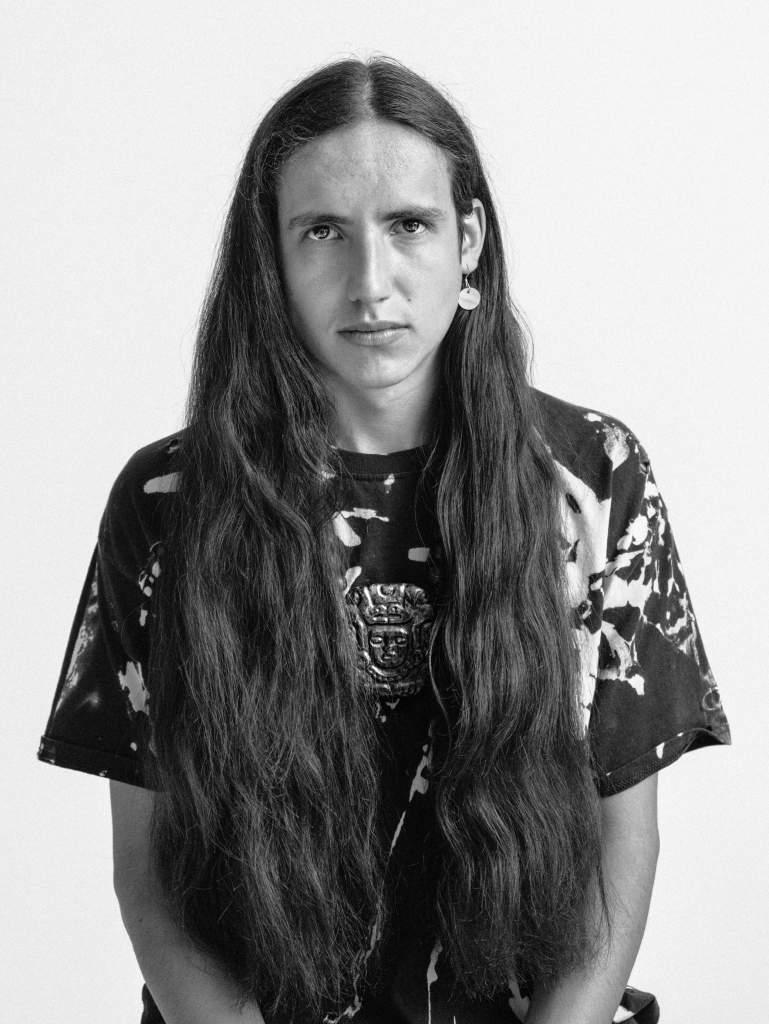
Pronounced “Shu-tez-cat”, this young leader was played by Character #6 in episode 10a (12, 2018-2023). He says he’s part of the “generation with the most to lose” regarding climate change. Inspired by his mother, he’s the former co-founder and Youth Director of Earth Guardians, an organization that gets pesticides out of parks and contains coal ashes. He’s also a hip-hop artist; his music also advocates for change. For Earth Guardians, he said, “We felt as though we had a responsibility to do something about it. So, we did.”
“We are at a tipping point now, where we will either be remembered as the generation that destroyed the planet, as a generation that put profits before future, or as a generation that united to address the greatest issue of our time.” –Xiuhtezcatl (and spoken by #6 in 12)
Youth Who Are Taking Their Countries’ Governments To Court:
Around the World: Sofia Oliveira, Howey Ou, Amaru Alvarez Cantoral
Last update | dernière mise à jour 12 (2023)
These 3 youths are fiercely courageous inspirations to us. Some are literally taking their governments to court for what they call “climate inaction”.
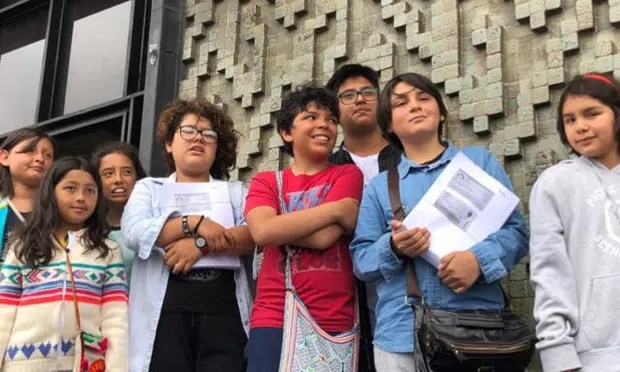
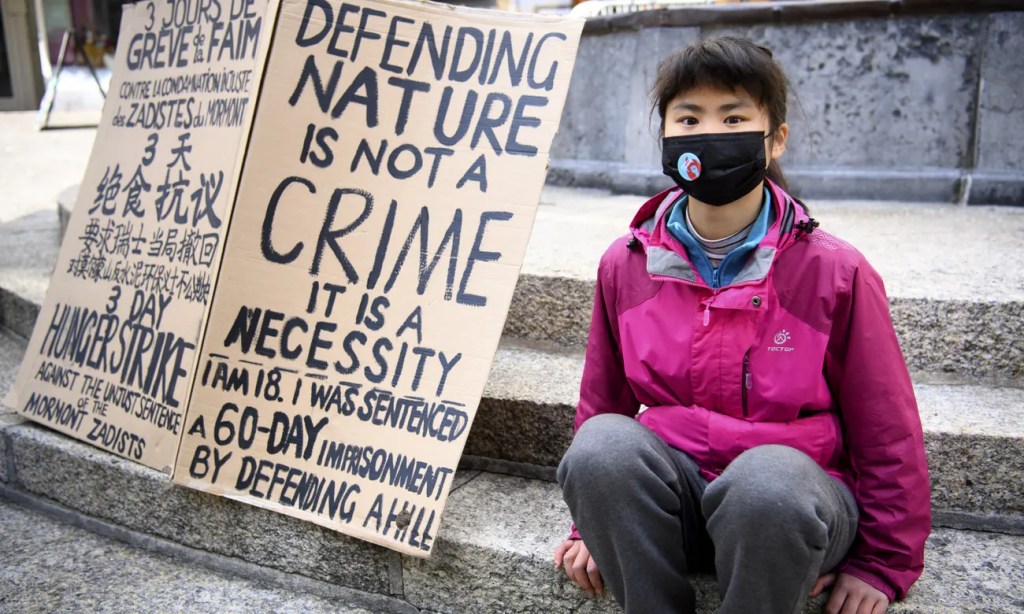
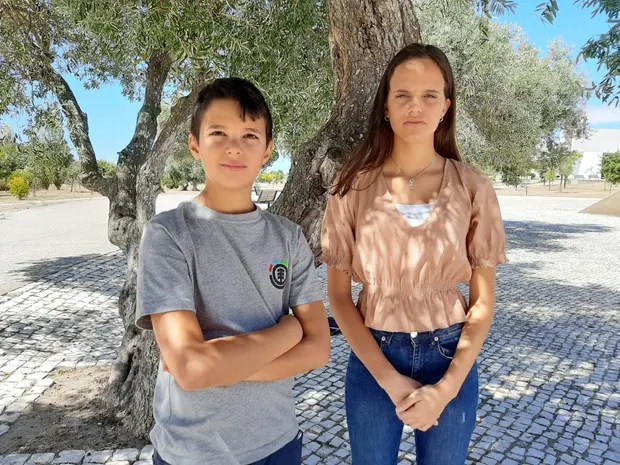
[Image Descriptions of three above: 1. Eight youth standing against a building in Peru (Amaru Alvarez and his co-plaintiffs). 2. A girl in a mask sits in front of a government building in China (Howey Ou); beside her is a sign: “Defending Nature is not a Crime” 3. Two children stand in front of a tree in Portugal (Sofia Oliveira and her brother André).]
In 12 (2018-2023), Character #7 announces Sofia Oliveira and her brother Andre with, “The plaintiffs’ claims arise under article 2.22 of the Peruvian constitution; article 12.2 of the International Pact of Economic, Social and Cultural Rights; article 11 of the Additional Protocol of the American Convention on Human Rights; article 3 of the Code of Children and Adolescents; article I of Law no. 28611, General Law of the Environment; and article 15 of the Inter American Democratic Charter”. (Source here). In a nutshell, they are fighting for their right to life! For more about their lawsuit, click here or read more here.
“Don’t play with my future,”
wrote Andre Oliveira on his Facebook page.
When Howey Ou (欧泓奕 in traditional Chinese) was 16, she made some homemade banners and sat in front of Guilin’s City Hall for days on end. She was told by authorities that she “needs a permit”, and they blocked her social media accounts. She then started planting trees all over Guilin. She was then prohibited from going back to school unless she gave up her “activism”.
If you want to read more about Howey Ou, who has been dubbed “the Greta Thunberg of China”, and who Greta calls “a true hero”, here are three more resources:
- Article: “The Greta Thunberg of China, Howey Ou, Raises Her Voice for Environmental Awareness” read it here.
- SBS News article “‘Dubbed ‘China’s Greta Thunberg’, Howey Ou is fighting for climate action in a country where few others will.” check it out here.
- Article from The World: “This teen climate activist is blazing a new path to raise environmental awareness in China.” Read or listen to the article here.
In the words of Sofia, Amaru and Howey:
“More and more people are supporting us,” she said. “There is hope. … Together we are strong and can make the difference.”
–Sofia Oliveira
“I think we can win. I almost take it for granted that we will because our cause is a just cause.”
— Amaru Alvarez Cantoral
“You can develop vaccines for Covid-19, but there is no vaccine for climate emergency.”
— Howey Ou
To read more about what these youth are fighting for (and it’s working!), click here.
In Ontario: Sophia Mathur, Zoë Keary-Matzner, Shaelyn Wabegijig, Madison Dyck, Alex Neufeldt, Shelby Gagnon and Beze Gray.
7 youth took the Ontario Government to court for passing an Act that weakened the 2030 target for cutting emissions. And they won.
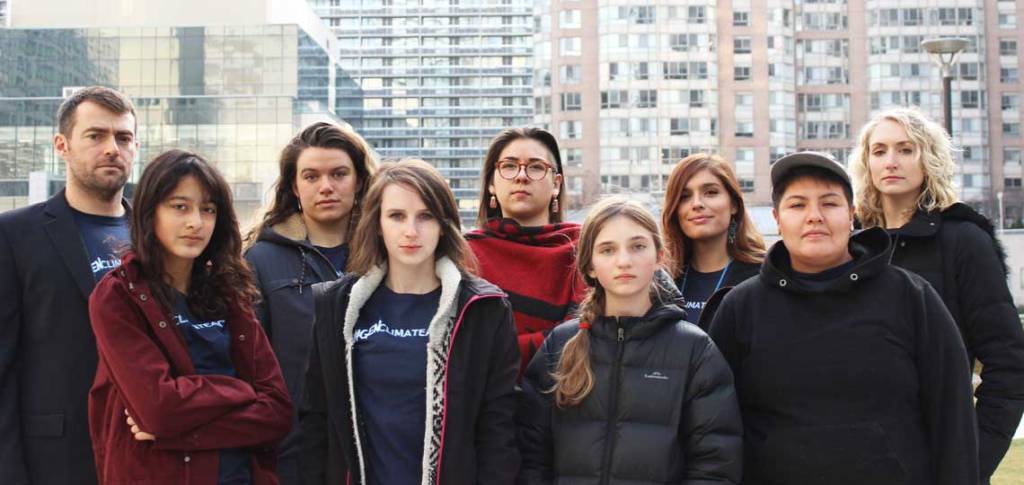
[Image Description: Seven youth stand in coats in front of office buildings.]
In 2023, Sophia Mathur, 12-year-old applicant from Sudbury, said:
“My generation deserves a future. When I grow up, I want to be a lawyer. I also have lots of other hopes and dreams and I want the chance to make them come true. That’s why it was important for me to start striking for the climate in November 2018, and why I’m working with other young people to take the government to court today.”
In 2023, Shaelyn Wabegijig, 22-year-old applicant from Peterborough, said:
“Climate change is hurting Indigenous and coastal communities that rely on the land and ocean for cultural and physical survival. I do not feel like I am secure or safe in my future, which is why I am committed to fighting for climate action. I do not want to bring children into a world that is dying, or where they’re at risk of illness or harm imposed by climate change.”
In 2023, Alex Neufeldt, 23-year-old applicant from Ottawa, said:
“Open for business is Doug Ford’s favourite catchphrase. But if he really cared about protecting the economy for young entrepreneurs like me, he wouldn’t have rolled back the province’s climate targets. We can help stop climate change and also create jobs. But we need the political will to do it.”
(Quote sources Ecojustice Press Release 2019 here.)
More sources on the court case: CBC news here and article about the case here. Their case is ongoing as of 2025, with a Case Postponed in December 2025.
Research and Sources
Last update | dernière mise à jour 12 (2023)
Did you know? Climate-Related literature is predominantly communicated in English [see Sophia Kianni and Climate Cardinals here]? In 12 and 12 (2.0), the characters speak in multiple languages to shed light on this. “How can we protect the world from irreversible damage when over half the world isn’t given access to even read the information?
Loss & Damages Fund
Last update 12 (2.0) (2026)
Research done by Sophie Dean (#7)
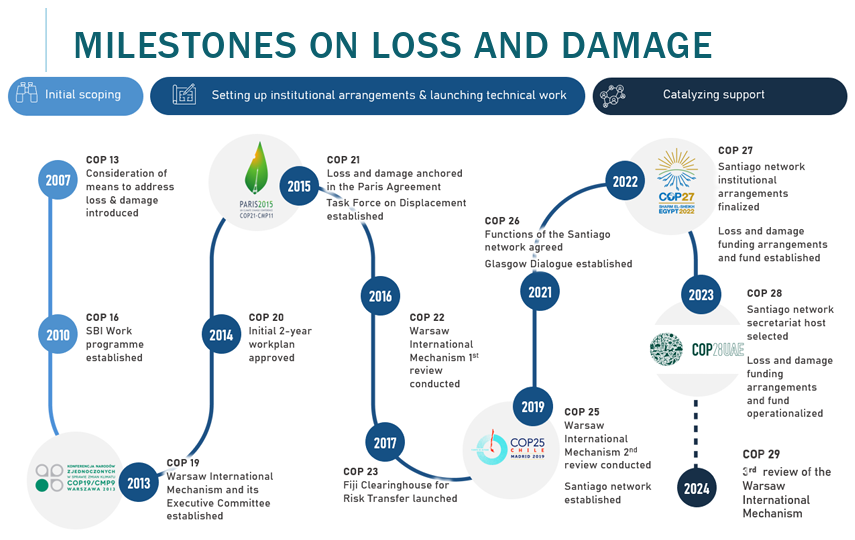
What is the Loss & Damages Fund?
The Fund for Responding to Loss and Damages (FRLD) is an agreement between nations to establish a multilateral loss and damage fund to support communities in averting, minimizing, and addressing damages and risks, after three decades of negotiation on loss and damage caused by climate change.
Previous COPs blocked attempts by low/middle income countries asking for support, so when Scotland became the first Global North country to pledge bilateral finance specifically for loss and damage, it was seen as a major breakthrough.
In March 2025, the administration of U.S. president Donald Trump withdrew the country’s representatives from the Loss & Damage Fund.
Read more on COP27 and the Loss & Damages Fund here.
Implementing the Fund
Loss and damage only goes so far. Vulnerable countries need better infrastructure, because infrastructure failures can cost economies up to seven times more than the direct physical damage caused by disasters.
The Loss & Damages fund will be most useful to countries that have systems that can absorb it, so systems in their governments must change & bend to allow the populace to be able to even benefit from the fund. El Salvador, Belize, and Mozambique have already started this process (Read more here).
The concept of having a community that needs to be able to survive and absorb the disasters in order for the fund to be useful might be part of what was talked about a couple years ago at the climate summit in 2023.
A point of discussion was the responsibility of the wealthier countries to contribute money to the fund to help poorer and more vulnerable countries. There was a big emphasis on risk management and looking at how to recognize early warning signs of disasters.
Delivery of Funds
Countries apply for a grant from a $250 million USD pool, and can apply for between $20 million and $50 million. This $250 million is a trial run for the fund. THE LOSS & DAMAGES FUND IS ONLY A GRANT. It is not a loan. The countries are not expected to pay it back.
The fund also doesn’t do same-day delivery relief in terms of finances. In an interview at COP with the fund’s co-chair, French official Jean-Christophe Donnellier was asked why they can’t fund relief immediately after a disaster, like a recent hurricane that hit Jamaica, and I find his response kind of interesting. The following is directly from the Jamaican Observer website here:
“QUESTION: Why can’t the fund immediately assist countries like Jamaica that have just been ravaged by a hurricane?
ANSWER: “We are not going to provide humanitarian response; this is clear in our statutes. There are entities that do this very well. We want to be in the next phase: maintaining activity, sustaining populations, organising necessary population relocations to cope with climatic events, whether violent or slow, launching reconstruction programmes.”
The fund’s net worth is roughly $431 million, yet the trial pool is only $250 million. Apparently, the total cost of loss and damages around the world is at LEAST $724 BILLION. That is not going to be enough. The fund acknowledges this. It is meant to fill the gap between humanitarian responses and post-disaster responses, but the IASC (Inter-Agency Standing Committee, part of the UN) is really trying to push for a more humanitarian angle of the fund.
We’re in a period of time where humanitarian aid is going to be heavily relied upon, which means they’ll likely be spread thin, and we’re also in a time where we’ll see a lot more loss & damage. The fund is supposedly going to be great for humanitarian organizations, since a lot of their funding has been slashed, but in the interview I read earlier, Donnellier very specifically said that the Loss & Damages Fund isn’t humanitarian aid and is relying on the work of humanitarian aid. So which is it?
2026
A big focus of 2026 will be looking at the long-term modality of the Loss & Damages Fund. WE’VE BEEN TALKING ABOUT THIS FOR THIRTEEN YEARS. And rich countries have been reluctant even making and contributing to this fund. We can do better guys, right? But what does that even look like? It’s much too big for me to see.
“Disasters are never “natural.” They emerge from the intersection of hazard and exposure, of development choices and the resources available to people long before a hurricane, flood or drought arrives” (source UNDP article here).
Fond pour les Pertes et les Dommages
dernière mise à jour 12 (2.0) (2026)
Recherche de Sophie Dean (#7)
Qu’est-ce que le Fond pour répondre aux Pertes et aux Dommages?
Le Fond pour répondre aux Pertes et aux Dommage est une entente entre les nations. L’objectif est d’établir un fond multilatéral afin de supporter des communautés tentant d’éviter, de minimiser ou d’affronter des dommages et des risques engendrées par le changement climatique.
Dans le passé, les Conférences des Parties bloquaient les demandes de soutien des pays à petits/moyen revenus. L’Écosse est devenu le premier pays du Nord à promettre un financement bilatéral pour les pertes et dommages. C’était une grande avancée.
En mars 2025, le président Donald Trump a retiré les représentants américains du Fond pour répondre aux Pertes et aux Dommages.
Lisez plus sur COP27 et le Fond pour répondre aux Pertes et aux Dommages ici.
Mettre le fond en action
Le Fond pour répondre aux Pertes et aux Dommages à ses limites. Les pays vulnérables ont besoin de meilleures infrastructures. Les bris liés aux infrastructures peuvent coûter sept fois plus aux économies que le dommage physique engendré par une catastrophe.
Le Fond pour répondre aux Pertes et aux Dommagesconviendra mieux au pays possédant des systèmes capables de l’absorber. Les systèmes des gouvernements doivent changer pour permettre à la population de bénéficier du fond. Le Salvador, le Bélize et le Mozambique travaillent dans ce sens. (Source ici)[en anglais sulement]
L’idée qu’une communauté doit être capable de survivre et de s’adapter aux catastrophes pour que le fond soit utile à été abordée lors du sommet climatique de 2023.
La responsabilité des pays plus riches à contribuer au fond pour les pays plus pauvres et vulnérables était un sujet chaud. Il y avait beaucoup d’emphase sur la prévention et sur la reconnaissance des signes annonciateurs d’un désastre.
Donner des fonds
Les pays font des demandes de subventions dans un bassin de 250 millions (USD) et peuvent appliquer pour une somme entre 20 millions et 50 millions. Les 250 millions sont liés à la période d’essai du fond. LE FOND POUR RÉPONDRE AUX PERTES ET AUX DOMMAGES EST UNE SUBVENTION. Ce n’est pas un prêt. Les pays ne sont pas censés le rembourser.
Les fonds ne sont jamais livrés le jour même d’une catastrophe. Le français Jean-Christophe Donnellier, co-président du fond, a passé en entrevue lors de la COP. On lui a demandé pourquoi ils (son organisation) n’envoient jamais de l’argent immédiatement après un désastre comme l’ouragan qui a récemment frappé la Jamaïque. J’ai trouvé sa réponse intéressante. La suite est tirée du texte suivant (ici– source anglais seulement)
QUESTION: Pourquoi le fond ne peut-il pas immédiatement assister un pays comme la Jamaïque qui vient d’être ravagé par un ouragan?
RÉPONSE: Nous n’allons pas offrir de l’aide humanitaire. Nos statuts l’affirment clairement. Il y a des entités qui s’occupent très bien de cela. Nous voulons faire partie de la seconde phase: maintenir l’activité, soutenir les populations, organiser des relocalisations nécessaires pour s’adapter aux événements climatiques, qu’ils soient violents où à retardements, lancer des programmes de reconstruction.
La valeur du fonds est d’environ 431 millions. Apparemment, le coût total des pertes et des dommages autour du monde EST D’AU MOINS 724 MILLIARDS. Ce ne sera pas assez. Le fond reconnaît cela. Il a pour but de combler le vide entre les réponses humanitaires et les réponses post-désastre. Mais le CPI (Comité Permanent Interorganisations, une partie de l’ONU) essaye de promouvoir un angle humanitaire pour le fond.
Notre époque sera marquée par une dépendance sur l’aide humanitaire. Cela signifie que cette aide sera distribuée avec parcimonie. Notre époque sera également marquée par une augmentation des pertes et des dommages. Le fond devrait être excellent pour les organismes humanitaires dont le financement vient d’être coupé, mais lors de son entrevue, Donnellier a précisé que le Fond pour répondre aux Pertes et aux Dommages n’est pas une forme d’aide humanitaire et ne dépend pas de l’aide humanitaire. Alors…c’est lequel des deux?
2026
En 2026, l’établissement des modalités du Fond pour répondre aux Pertes et aux Dommages sur le long terme sera une priorité. NOUS PARLONS DE CE FOND DEPUIS TREIZE ANS. Et les pays plus riches sont récalcitrant à l’idée même de contribuer au fond. On peut faire mieux, non? Mais de quoi est-ce que ça aurait l’air? C’est trop vaste pour que je me le figure.
« Les catastrophes ne sont jamais “naturelles”. Elles jaillissent de l’intersection entre l’exposition aux dangers, les choix de développements et les ressources auxquelles les gens ont accès bien avant l’arrivée d’un ouragan, d’une inondation ou d’une sécheresse » (source ici – en anglais seulement ).
The Intersection of War and Climate Change
Last update 12 (2.0) (2026)
During Peacetime
Research done by Sébastien Cimpaye (#2)
What struck me most during this research is that even though war inevitably increases an army’s carbon footprint exponentially, global militaries are already very bad for the planet during peacetime.
Peacetime and wartime combined, global militaries are responsible for 5.5% of greenhouse gases. If they were a country, it is said they would be ranked as the fourth largest emitter of greenhouse gases. A large part of this isn’t directly linked to active warfare. The US, for example, has 742 military bases around the world and consumes 40% of its fossil fuels during routine operations (training exercises, vehicle operation, operation of base facilities, etc). There isn’t a global statistic, but the US Army, Air-force, and Marine Corps put together generate 14,000 tons of food-linked waste annually. Much of it has to do with the food’s packaging.
The world’s militaries occupy 1% to 6% of all lands. They often use these lands to experiment with chemicals (even during peacetime) and follow close to no environmental regulations. Militaries often clear forests for training purposes. In 2019, for instance, the US military bulldozed more than 1,200 acres of Guam’s limestone forest in order to build a military base. Apparently, it will be used/is being used to relocate people who already live in a military base in Okinawa (why???)! In 2023, Guam’s Center for Biological Diversity and an organism dedicated to protecting the wildlife of the Ritidian called Prutehi Guahan filed a lawsuit against the US navy to protect their island from further damages caused by this base (Camp Blaz).
During Wartime
Research done by Jax Young (#9)
I focused this research on the war in Gaza and the bombs that are being dropped. All of this is in addition to the staggering human cost–homes, lives, and futures.
In the first 2 months of conflict since October 7, 2023, more planet-warming emissions were released than the carbon footprint of over 20 climate-vulnerable countries. That’s the equivalent to burning at least 150,000 tonnes of coal.
Over 99% of that 281,000 metric gigatonnes of carbon dioxide can be attributed to Israel’s aerial bombardment and invasion of Gaza. Carbon emissions from bombs dropped on Gaza by the Israeli Defence Force between October 2023 and February 2024 are equivalent to the carbon emitted by powering almost 10,000 homes for a year. Israel’s assault has increased air, water, and soil pollution in Gaza, inflicted irreversible damage to the natural environment, and released hazardous waste.
Rebuilding will also have a carbon cost, due to transporting materials, clearing rubble, etc. It is an estimated 46-60 million tonnes of CO2, which is more than the annual emissions of 135 countries (not combined).
Prior to this conflict, around 25% of Gaza’s electricity came from solar panels. With most of this solar capacity damaged or destroyed, they are now reliant on diesel-powered generators for electricity.
Military emissions reporting gap
Experts estimate that militaries account for 5.5% of total annual global carbon emissions– more than civilian aviation (3%) and civilian shipping (2%) combined. According to the Paris Agreement, reporting military emissions to the UN Framework Convention on Climate Change is voluntary. Only 4 countries do it. We don’t know how much emissions most countries’ militaries are generating.
L’intersection entre la guerre et le climat
dernière mise à jour 12 (2.0) (2026)
En temps de paix
Recherche de Sébastien Cimpaye (#2)
Bien que l’empreinte carbonique d’une armée augmente exponentiellement en temps de guerre, les armées mondiales sont aussi très polluantes en temps de paix.
En combinant les temps de paix et les temps de guerre, les armées mondiales sont responsables de 5% des gaz à effets de serre. Une grande partie de ces émissions ne sont pas liées au combat. Les États-Unis, par exemple, possèdent 742 bases militaires autour du monde et consomment 40% de leurs énergies fossiles lors d’opérations de routine (exercices d’entraînement, entretien des véhicules, entretien de la base, etc). Il n’y a pas de statistique globale, mais l’armée de terre, l’armée de l’air et la marine américaine misent ensemble génèrent 14000 tonnes de gaspillage lié à l’industrie alimentaire annuellement. Une grande partie du gaspillage est liée aux emballages des aliments.
Les armées mondiales occupent 1% à 6% de tous les territoires. Ils utilisent souvent ces territoires pour mener des expériences chimiques (même en temps de paix) et ne suivent aucune norme environnementale. Les armées rasent souvent des forêts pour faciliter l’avènement d’entraînements. En 2019, par exemple, l’armée américaine à raser plus de 1200 âcres de la forêt calcaire de Guam pour y construire une base militaire. Apparemment, elle serait utilisée pour relocaliser des personnes vivant déjà sur une base militaire à Okinawa (pourquoi???)! En 2023, le centre pour la diversité biologique de Guam ainsi qu’un organisme (Prutehi Guaham) dédié à protéger la faune du ritidien ont entamé une poursuite contre la marine américaine pour empêcher que leur île subisse encore plus de dommage au nom d’un camp militaire (le camp Blaz).
En temps de guerre
Recherche de Jax Young (#9)
Je me suis concentré sur la guerre à Gaza et les bombes qui sont en train d’être lâchées. Tout ce qui suit s’ajoute au coût humain de cette guerre — des maisons, des vies et des avenirs.
Le nombre d’émissions contribuant au réchauffement de la planète qui ont été émises en deux mois depuis le 7 Octobre 2023 est supérieur à l’empreinte carbonique de 20 pays vulnérables au niveau climatique. L’équivalent serait de brûler au moins 150 000 tonnes de charbon.
Plus de 99% de ce 281 000 gigatonnes métriques de dioxyde de carbone peuvent être attribuées aux bombardements aériens et à l’invasion de Gaza mener par Israël. Les émissions de carbones liées aux bombes lâchées sur Gaza par la Force de Défence Israélienne entre le mois d’octobre 2023 et le mois de février 2024 est équivalent au carbone émis annuellement par 10 000 maisons. L’invasion d’Israel à augmenter la pollution de l’air, de l’eau et du sol à Gaza. Elle à infligé des dommages irréversibles à l’environnement naturel et elle a relâché des déchets dangereux.
La reconstruction aura également un coût carbonique en raison du transport de matériel, du déplacement des déchets, etc. Cela impliquera approximativement 40-60 million de tonnes de CO2. C’est plus que les émissions annuelles de 145 pays (pas combinées).
Avant le conflit, près de 25% de l’électricité de Gaza provenait de panneaux solaires. La plupart des infrastructures permettant cela ayant été détruites, ils dépendent maintenant de générateurs diesel pour obtenir de l’électricité.
Le silence lié aux émissions militaires
Les experts estiment que les armées sont responsables de 5,5% des émissions mondiales de carbone sur une année. C’est plus que l’aviation civil (3%) combiné avec la navigation civile (2%). Selon l’Accord de Paris, on ne doit reporter les émissions de son armée à la convention cadre des Nations-Unies sur les changements climatiques que sur une base volontaire. Il n’y a que quatre pays qui le font. On ne connaît pas la quantité d’émissions générée par la plupart des armées.

[Image Description: Infograph displays path of Bill C-12 Planning and reporting process from 2021 to 2050]. Image source here.
“It’s just funny how humans always need some sort of reward system!
One thing I’ve always noticed on government websites is how they always have to put a number on it…as if mentioning the billion dollars they’re investing makes their new initiative more valid. It’s just buzzwords at this point. Billions of dollars is just a concept.” –Anna (Character 5 in 12).
Bill C-12
Last update | dernière mise à jour 12 (2023)
In episode 5, the characters play a word game, trying to find as many terms with “12” in it. Character 5 calls out, “Bill C-12: net zero emissions by 2050?!” Here’s Anna’s research:
“As of today, Bill-C12 continues to be a law in the House of Commons and Senate. 2030 is still the goal to eliminate 40-45% of emissions, and 2050 remains the target goal for net-zero emissions. Environmental organizations like EcoJustice are still urging for the bill to be strengthened and improved.
The Net Zero Accelerator Fund has recently been launched to help large emitters reduce their emissions. For example, Algoma Steel Inc. is receiving up to $420 million from the Fund to retrofit its operations and phase out coal-fired steelmaking processes at its facility in Sault Ste. Marie, Ontario. This will create 500 jobs and reduce emissions by 3 million tonnes per year by 2030.
The Net Zero Challenge goes along with this, to help businesses transition to cleaner operations, to eventually achieve net zero emissions. As of 2022, 29 organizations/companies have joined the Challenge, including the entire Canadian Cement Industry and Carleton University. This program has participation levels that go from Bronze to Diamond to track company’s progress and create ambition. If organizations do not meet the minimum requirement, they are removed from the program.”
More info on Bill C-12 can be found on the Government of Canada website here.
The 12-Point Climate Action Plan
Last update | dernière mise à jour 12 (2023)
Characters 9 and 10 list this 12-Point Plan in episode 5, saying, “Point 12: Leave No One Behind”.
Quoting the Ontario Climate Emergency website: “As we make the massive and urgent transformations critically needed to secure our shared future, ensure a just transition for Indigenous, resource-dependent, remote, and marginalized communities, low-income families, fossil fuel workers, and all others disproportionately affected by the necessary shift to a low carbon economy. Prepare our communities for the impacts of the climate crisis to minimize human suffering and infrastructure damage. Address environmental racism and intergenerational justice by supporting those most vulnerable to climate change impacts including future generations. Recognize that our only way forward is to act together urgently, collectively, [our italics!] massively to safeguard the present and secure the future for ourselves, our children, and for generations yet to come.”
Here’s their 12-Point Climate Change plan:
- Set binding climate targets based on science and justice consistent with global efforts to limit planetary warming to 1.5°C.
- Prioritize and respect Indigenous sovereignty and autonomy.
- Invest in a thriving, regenerative, zero-emissions economy.
- End all fossil fuel subsidies immediately and rapidly wind down all fossil fuel use.
- Prioritize public health, as the climate crisis is our single greatest health crisis.
- Accelerate the transition to zero-emission buildings.
- Accelerate the transition to zero-emissions transportation and ensure ongoing sustainable community development.
- Urgently protect natural biodiversity.
- Invest in local, organic, regenerative agriculture and plant-rich food systems.
- Institute a broad public education campaign, as we all have the right to know what’s at stake.
- Reinstate an independent office of the Environmental Commissioner.
- Leave no one behind.
More information can be found on the Ontario Climate Emergency website here.
COP27 – Conference of the Parties #27, November 2022
Last update | dernière mise à jour 12 (2023)

In 12, Character 11 questions the outcome of COP27 in November 2022. This is cast member Brianna’s research:
My research on COP27 “fund”:
When I started my research, I wanted to know what the countries that would put money in the fund are and how they were decided. I read this article here. In it, I found long paragraphs of air, long words and phrases that meant almost nothing that I wanted to know. I just wanted to know who put what in the fund but it was dragging ooonnnn. They kept using fancy paragraphs like this: “In negotiations that went down to the wire over the weekend, countries reached a historic decision to establish and operationalize a loss and damage fund, particularly for nations most vulnerable to the climate crisis.” Ok, sure, that just sounds cool but not informative.
I continued reading and found out that “the agreement was struck early Sunday morning as leaders concluded talks at the two-week-long United Nations Climate Conference (COP27)” but it never explains what the agreement exactly is! It says that many details remain to be negotiated. “The fund is expected to see developing countries particularly vulnerable to the adverse effects of the climate crisis supported for losses arising from droughts, floods, rising seas and other disasters that are attributed to climate change” but it never says which are those countries! Here’s what made me disappointed: “While the negotiated text recognized the need for financial support from a variety of sources, no decisions have been made on “who should pay into the fund, where this money will come from and which countries will benefit (#11 says this in 12). The issue has been one of the most contentious on the negotiating table”.
Then the article stopped talking about the fund. It went to this: “Adapting to the climate crisis — which could require everything from building sea walls to creating drought-resistant crops — could cost developing countries anywhere from US$160-US$340 billion annually by 2030. That number could swell to as much as US$565 billion by 2050 if climate change accelerates…” and then more numbers & stats. Report is the key word for me there. This is just a report.
“Who will pay, will they pay, how, where does it go, who is in charge of all of this?! I found no answers and it seems to be because those answers don’t exist yet.” –Brianna as #11 in 12
The rest of the article is about money. Those who question, such as us in 12, admitted: “While many praised the creation of the fund, many also worried not enough was done at COP27”.
Here are my key takeaways from the conference:
- Countries failed to move decisively away from fossil fuels.
- Countries repeated the “phase-down-of-coal” phrase featured in last year’s agreement at COP26 in Glasgow. While the final text does promote renewables, it also highlights “low emission” energy, which critics say refers to natural gas – still a source of GHG emissions!
- Climate finance was front and centre, a key part of COP27.
- More technology. Two UN Bodies announced plans to accelerate the deployment of “transformative” technologies to counter the climate crisis. The UN Secretary-General unveiled a US$ 3.1 billion plan to ensure everyone on the planet is protected by early warning systems in the next 5 years. Anna would say: “Really? In all languages?”
So, that’s my research on the matter. (Brianna)
This was really interesting but I’m kinda tired of reading things that disappoint and frustrate me.
–Brianna, Character 11
COP27 in Egypt
Last update | dernière mise à jour 12 (2023)
In fall of 2022, COP27 was held in Egypt. Cast member (and creative writer) Sebastién (Character #2) did some digging into the choice of this location, and here are his words:
“I did a bit more research on Charm el Cheikh and found a lot of funny stuff ( links with Laurence of Arabia amongst other things). Apparently in the beginning it was just this uninhabited desert rock nobody cared about. Only Egyptian fishermen ever went there to set up camp because the variety of sea animals in its bay is quite incredible. They usually went back to villages and towns with infrastructure afterwards. All this to say it was only a place you passed by, not a place which had homes in its own right. Somewhere in the first world war however, countries discovered that 14 miles northeast of its bay is the strait of Tiram which directly connects to the gulf of Aqaba. Aqaba is the first city Lawrence of Arabia conquers in the movie, with the cannons facing the sea. That sea is the gulf and that gulf connects to Israel, Jordan, Saudi Arabia and of course Egypt ( through Charm el Cheikh ). In 1948, Egyptian guns were set on Charm el Cheikh to prevent Israel from receiving ammunition from a nearby port ( they were having a war of independence at the time ). In 1956, Israel captured the installation and therefore Charm el Cheikh as well during the Sinai campaign. The UN got involved and it wasn’t clear to whom the place belonged until June 1967, when as a result of the six-day war it officially belonged to Israel. I don’t know how they made the link that it would make a great tourist location but they did and started building resorts, investing in the beaches, etc. When peace was made in the 1980’s and the land was given back to Egypt, they continued the work of the Israelis and built it up into what we know it today. Since it’s kind of in the middle of plenty of Arab countries, many Middle Eastern leaders go there to sign peace treaties. That’s why it was given special recognition as a city of peace by UNESCO in 2006 ( kind of funny ). What’s also ironic is that after all those years it still is a place people only pass by on and doesn’t have a lot of homes. Lastly, it is nicknamed ‘The Charm.’”
For more on the COP Meetings, click here.
Canada’s Waste Abroad
Last update | dernière mise à jour 12 (2023)
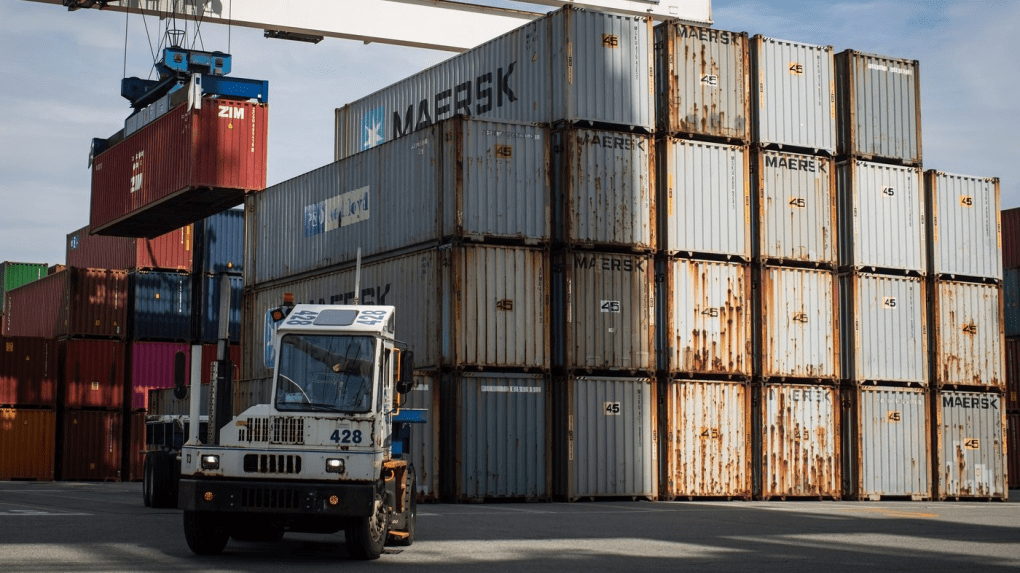
[Image Description: shipping containers of Canadian trash that were returned to Canada from the Philippines in 2019 are stacked at Global Container Terminals after being offloaded from the Anna Maersk container ship, in Delta, B.C., June 29, 2019. THE CANADIAN PRESS/Darryl Dyck]
In episode 11 of 12, Character #4 tells the others a hard truth: Canada exports its garbage to other countries, often developing nations.
Here is more information about this from a variety of sources:
- “We tend to think that if other countries were more like Canada, the planet could be saved,” says Hird. “But if every country was like Canada in terms of all-out consumerism and waste, the planet would be even more messed up than it is.” (Source: Canadian Geographic here.
- “FACT: About 86 percent of Canada’s plastic waste ends up in landfill, while a meagre nine percent is recycled. 5, The rest is burned in incinerators, contributing to climate change and air pollution, or ends up in the environment as litter.… Canada exports about 1,000 metric tonnes of plastic waste per month to developing countries.” (Source: Canada’s Online Guide here.)
- “OTTAWA – In the year since new rules to slow global exports of plastic waste took effect, Canada’s shipments rose by more than 13 percent, and most of it is going to the United States with no knowledge of where it ultimately ends up. Environment Minister Steven Guilbeault said that kind of lackadaisical approach to exporting plastic waste has to stop. “I’m very worried about that and I think we clearly have to do better,” Guilbeault said in an interview. “If we’re shipping plastics that are aimed at recycling, we better make sure that that’s what happens. And frankly, right now, it’s not clear to me that is always the case and in fact there’s been a number of instances where it’s not.”
- Guilbeault said he is talking to his officials about what can be done to fix the problem “because right now we’re not doing a very good job.
“Canada’s shaky history on plastic waste exports got international attention in 2019, when shipments of garbage falsely labeled as plastics for recycling led to a diplomatic standoff with the Philippines. - It put a spotlight on the global trade in the garbage, which mostly saw wealthy countries putting their trash on container ships bound for the developing world where it often ends up in landfills or burned, causing a raft of environmental and human health repercussions.” (Source CTV news here).
- “Illegal Canadian trash keeps ending up overseas. And the federal government won’t say who’s shipping it.” (2022). (Source CBC news here).
- Additional resources can be found here and here.
In Simple Terms: Words & Naming / Les Mots et noms
11th hour: meaning the latest possible moment before it is too late.
Activist: a person who uses or supports strong actions (such as public protests) in support of or in opposition to one side of an issue.
Anthropocene (an•thro•po•cene): When looking at the history of our planet this word refers to an epoch in which human actions have contributed to the change in the climate. It is a proposed name for the geological epoch in which humans are the primary cause of permanent planetary change. It is the shortest epoch ever to bring about such significant change.
“We have reached an unprecedented moment in planetary history. Humans now arguably change the Earth and its processes more than all other natural forces combined. Climate change, extinctions, invasive species, technofossils, anthroturbation, terraforming of land, and redirection of water are all part of the indelible human signature.” (Source here)
Anthroturbation: This is when humans disturb the soil and/or earth crust by such as with mining.
Bill C-12 (also known as the Canadian Net-Zero Emissions Accountability Act) is a law that is supposed to make clear parameters for tangible climate action in Canada. This law forces the government to make a plan for climate action and give deadlines. Canada stated that it will reach net zero emissions by the year 2050. However, this bill doesn’t say how we are going to actually do that.
Big Lonely Doug: An old-growth tree that was spared from clear-cutting, thought to be seeded around 1000 CE. Doug is a Douglas Fir tree located in Gordon River Valley, British Columbia. The tree is 66 metres tall with a diameter of 3.79 metres. Big Lonely Doug has become a symbol of nature conservation in Canada, particularly in relation to BC’s dwindling old-growth forests.
Big Lonely Doug: Un arbre ancien épargné lors d’une coupe à blanc. On croit qu’il a été planté près de l’an 1000 après J-C. Doug est un Douglas Vert situer la vallée de la rivière Gordon en Colombie Britannique. L’arbre mesure 66 mètres et possède un diamètre de 3.79 mètres. Big Lonely Doug est devenu un symbole de la conservation de la nature au Canada, surtout en ce qui à trait aux forêts anciennes de la Colombie Britannique.
Climate Activism: This term is also referred to as “environmental activism”, “eco activism”, “green activism”, or “sustainability activism”. It refers to the actions of people (individuals or groups) that aim to support the environment. “Climate activism is what happens when people from all over the world come together to put pressure on national and business leaders to take action to safeguard a liveable future.” (Ecowatch here).
Climate Change refers to long-term shifts in temperatures and weather patterns, which can be global or regional. “Often climate change refers specifically to the rise in global temperatures from the mid-20th century to present.” (National Geographic here).
Climate Justice: This is about taking a position on climate change and addressing the legal and political reasons for it. It is about getting the governments to actively respond to climate change by using the legal and political systems to fight for change.
Consumerism: This is a social and economic norm which encourages us to buy things and services. Consumerism’s expectation is that we keep buying in increasing amounts with no need to stop. To learn more watch The Story of Stuff‘s video here.
COP24: In 2018, the Conference of the Parties of the United Nations met to talk about Climate Change. It was in Poland. One of the meeting’s goals was to provoke all the countries to work together to stop climate change. The published follow-up report stated: “The world’s leading climate change scientists warn there’s only 12 years to limit global warming to no more than 1.5 degrees celsius above pre-industrial levels…” Right after this, in December (12th month!) we started to build the first version of 12.
COP26: In fall of 2021 (Oct 31 – Nov 13 2021), the United Nation countries met again in Scotland to talk about Climate Change. The international summit, hosted by Egypt, brought parties together to accelerate action towards the goals of the Paris Agreement and the UN Framework Convention on Climate Change. You can read the COP26 Outcomes, here (only available in certain languages).
Deforestation “is the purposeful clearing of forested land”, says National Geographic here. It involves the removal of trees on a large scale usually to allow for human activities. It can cause a loss of biodiversity, destroy natural habitats, upset the water cycle, and cause soil to erode.
Eco-Anxiety: Feelings of stress, overwhelm, fear, and grief toward the climate and ecological crisis. Eco-anxiety’s close cousin is “ecophobia”; the feeling of powerlessness in the face of environmental catastrophe.
Éco-anxiété: Des sentiments de stress, de trop plein, de peur et de deuil vis à vis de la crise écologique. L’éco-anxiété est cousine de l’écophobie; un sentiment d’impuissance par rapport à la crise climatique.
Fracking: This a human-invented method used to get oil and gas from underground rocks. It’ is accomplished by injecting liquid into the rocks so that they break apart.
Net-Zero Emissions or Carbon Neutral: This refers to the carbon dioxide that humans create or emit. We create carbon dioxide by breathing, by driving our cars, and a factory creates emissions too. This all goes into the atmosphere. Net Zero is about balancing how much CO2 we put into the air with how much we clean or take out of the air.
Smelting: This is the process where humans heat up rocks to take out the metal, like silver, copper or iron. Smelting consumes an enormous amount of energy and it causes the release of sulphur dioxide and particulate matter (such as dust) to air. According to data analysists and scientists at Wood Mackenzie, the smelting of zinc, copper and lead produced a combined 53 million tonnes of carbon dioxide equivalent (MtCO2e) in 2020, and they predict that from 2020 – 2040, zinc production will increase by over 30%, lead over 40% and copper over 45%. They warn that if there is no change in the core technologies or power sources used to produce these metals, a total of 1,008 MtCO2e will be emitted over the next 20 years. (Source here)
Tetrapod: These are concrete structures that humans make (Coastal Engineers) to try to prevent erosion of land mostly caused by weather. Tetrapod comes from the word for animals with 4 legs. Tetrapods often refer to the porous, concrete “breakwater barriers” used to prevent water damage by resisting and breaking up waves.
Tipping Point: The point at which a series of small changes or incidents becomes significant enough to cause a larger, more important change. Also called the 11th hour.
Point de bascule: Le point à partir duquel une série de petits changements ou de petits incidents deviennent assez significatifs pour causer des changements plus importants. C’est aussi ce qu’on appelle minuit moins une.
Wonders of the Earth (Nature Facts)
Pack Behaviour in Wolves
Comportements des meutes loups
Last update | dernière mise à jour 12 (2.0) (2026)
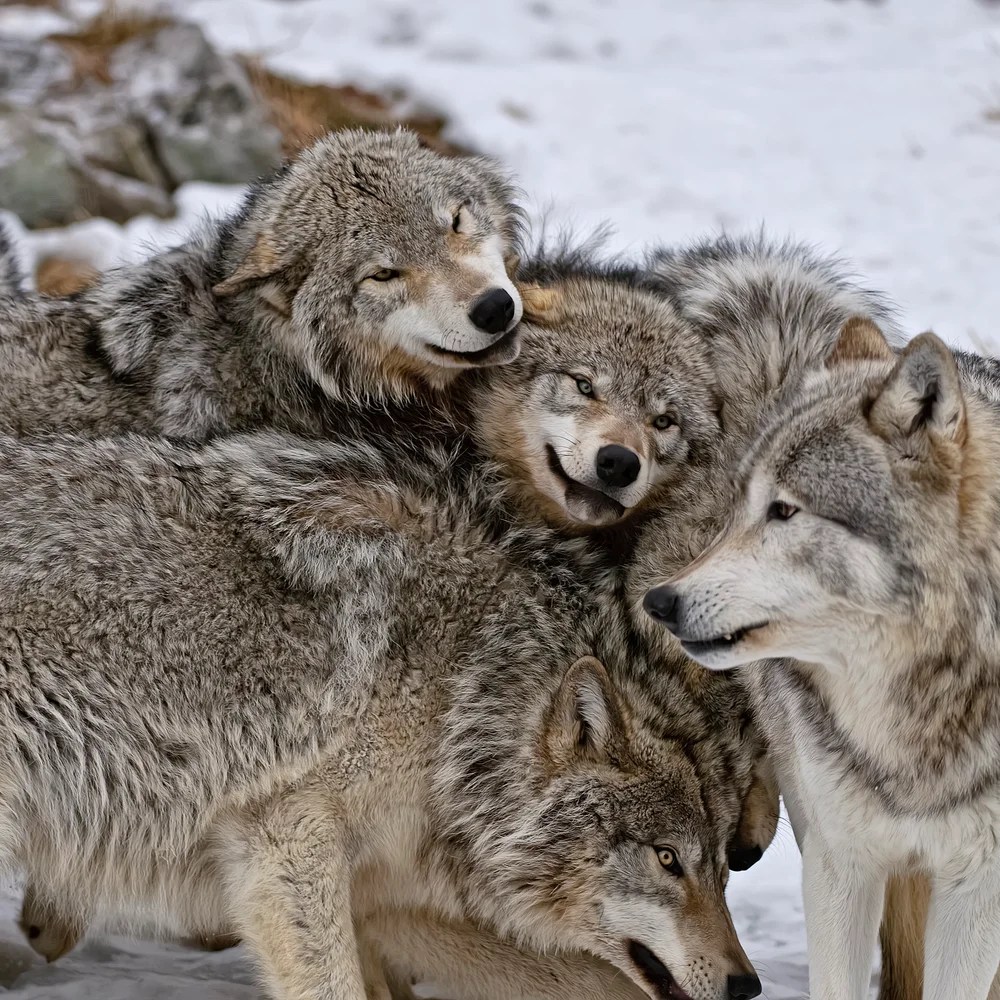
Wolves are pack animals. A pack usually consists of one male parent, one female parent, and four to six pups. Packs pass on knowledge through generations. Each wolf pack has its own homeland, history, knowledge, and culture.
All pack members help take care of pups. When pups are small, other wolves will bring food to the mother so she doesn’t have to leave the den. When they’re bigger, they take turns playing and feeding the pups. Elderly wolves are also taken care of. Packs with older members will purposefully avoid conflict so as not to endanger their elders. They also mourn them when they die. Wolves are known for taking care of their weak or injured.
“Lone wolf” is usually a term used to describe someone cool, forging their own path, but lone wolves aren’t very common in the wild. A lone wolf is a wolf who is searching for another wolf. Its nature tells it that it belongs to something greater: a pack. They struggle when they’re alone.
Les loups sont des animaux de meutes. Une meute comprend généralement un parent mâle, un parent femelle et quatre à six louveteaux. Les meutes se transmettent du savoir de générations en générations. Chaque meute de loups à son propre territoire, sa propre histoire, ses propres connaissances et sa propre culture.
Tous les membres d’une meute contribuent à prendre soin des louveteaux. Lorsque les louveteaux sont petits, les autres loups apportent de la nourriture à la mère. Ainsi, elle n’a pas à quitter la tanière. Lorsqu’ils grandissent, ils prennent des tours pour nourrir les louveteaux. Les loups âgés sont également soutenus. Les meutes comprenant des loups vieillissants évitent consciemment les conflits pour ne pas les mettre en danger. Ils vivent également un deuil lorsque l’un d’entre eux meurt. Les loups s’occupent des plus faibles et des blessés. C’est connu.
Le terme « Loup solitaire » désigne habituellement une personne « cool » qui fraie son propre chemin, mais les loups solitaires ne sont pas très communs dans la nature. Un loup solitaire est un loup à la recherche d’un autre loup. Sa nature lui dit qu’il appartient à plus que lui même: une meute. Ils souffrent lorsqu’ils sont seuls.
Monarch Butterfly Migration
Last update 12 (2.0) (2026)
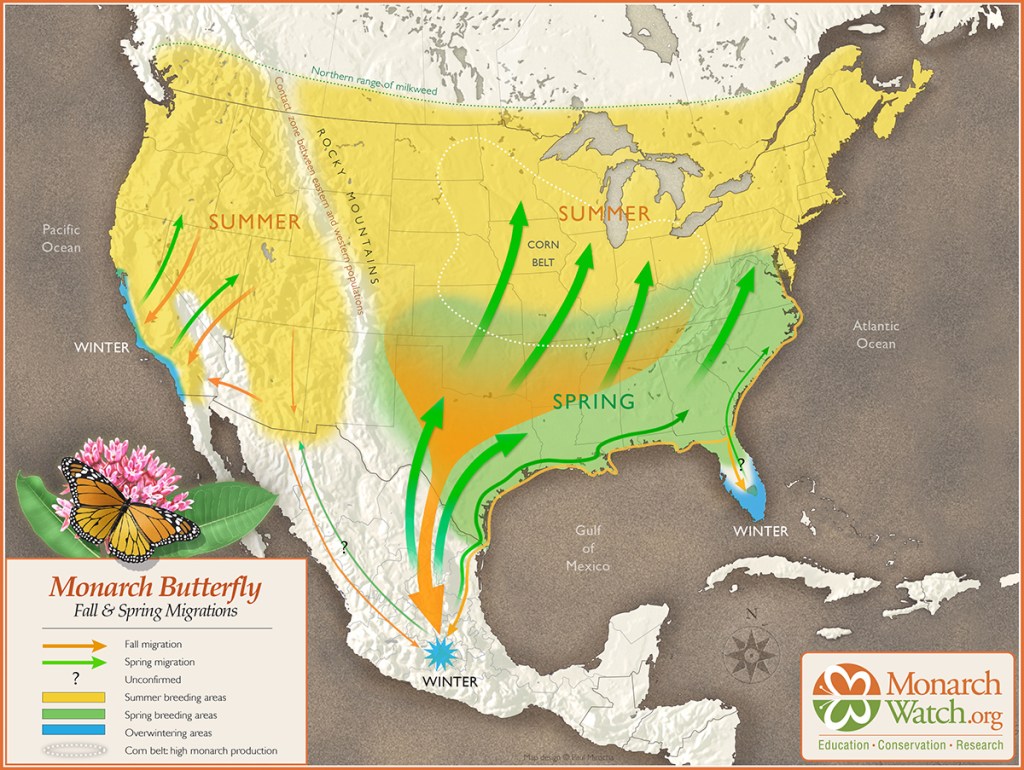
Monarchs will stay down South from November/December into February (without mating/reproducing at all). They will leave their winter sites in February. That generation will arrive in Texas/Southern USA in March. They will mate and reproduce there.
The next generation will reach maturity by late April and the previous generation will die off. They will continue to migrate until June, when they will reach the areas with the most milkweed available. They will stay in these regions until early August.
Over the summer, 2 more generations will pass before the next generation of migrating butterflies are produced. In August, Monarchs start to migrate back to their winter sites. In this migration, they do not mate and reproduce. The generation that travels South will survive without reproducing and even begin the migration back North.
On average, there will be 3-4 generations of Monarchs annually.
Les migrations du papillon monarque
dernière mise à jour 12 (2.0) (2026)
Les monarques resteront au sud à partir du mois de novembre/décembre jusqu’au mois de février (sans se reproduire). Ils quitteront leurs sites d’hiver en février. Cette génération de papillons arrivera au Texas/sud des États-Unis au mois de mars. Ils s’accoupleront et se reproduiront là-bas.
La prochaine génération atteindra la maturité vers la fin avril et la génération précédente disparaîtra. Ils continueront à migrer jusqu’en juin. C’est pendant ce mois qu’ils trouveront des régions regorgeant d’asclépiade. Ils resteront dans ces régions jusqu’au début du mois d’août.
Au courant de l’été, deux autres générations s’écoulerons jusqu’à ce que la prochaine génération de papillons migrateurs soit mise au monde. En août les papillons retourneront à leurs sites d’hiver. Au courant de cette migration, ils ne se reproduisent pas. La génération qui voyagent vers le sud survivra dans se reproduire et entamera même la migration vers le nord.
En moyenne, trois à quatre génération de papillons monarques se succéderont annuellement.
Canada Goose Migration (les outardes)
Last update | dernière mise à jour 12 (2.0) (2026)
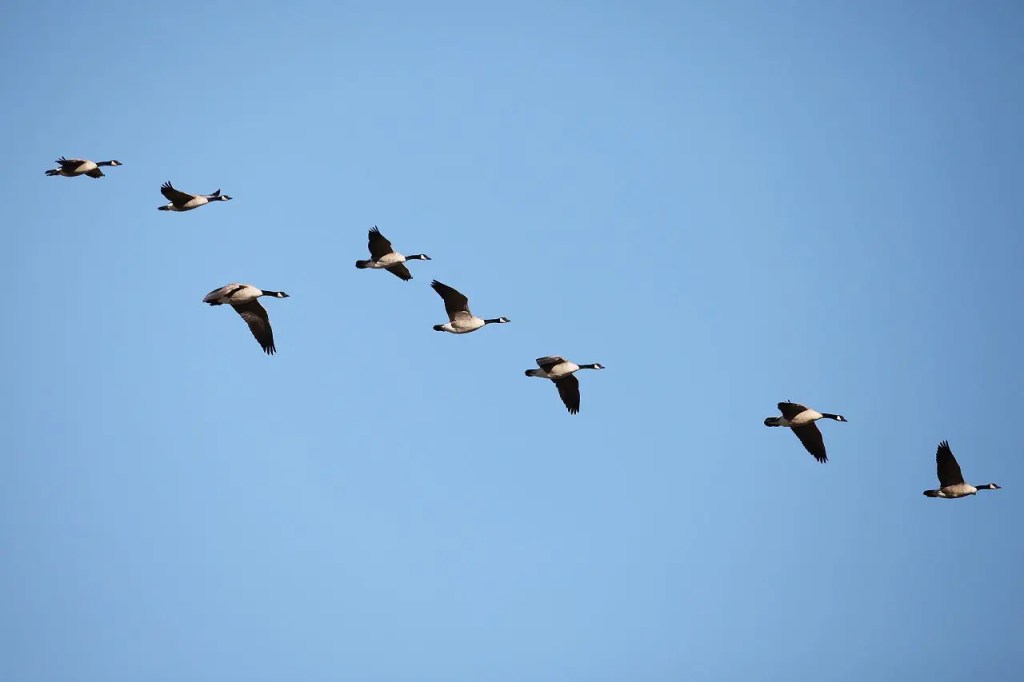
Elles migrent lors de l’automne pour aller vers le sud. Elles voyagent en grandes meutes en forme de V et peuvent parcourir plus que 1000km en une seule journée. Elles voyagent en grandes meutes en forme de V et peuvent parcourir plus que 1000km en une seule journée. For comparison, that is like if you drove from the Parliament to the White House in a day, no stops. La formation de V est souvent appelée “un triangle de bernache.”
Chacune aide les autres. En effet, l’oiseau en tête fend l’air, créant un courant ascendant qui facilite le vol des suivants. Elles se relaient, quand celle de tête est fatiguée, une autre prend sa place. Peu importe l’âge ou le sexe, elles peuvent toutes être en tête.
Si une outarde s’écarte ou se fatigue, les autres ralentissent, ou même, si l’une d’entre elles tombent malade ou se blessent pendant la migration, deux autres outardes quittent la formation pour rester avec elle. Elles restent à ses côtés jusqu’à ce qu’elle se rétablisse ou meure, puis elles rejoignent une autre formation.
Elles communiquent par des cris pour rester coordonnées et se prévenir d’un danger. Ce cri caractéristique sert non seulement à se coordonner et se prévenir d’un danger (on entend souvent ce cri à l’automne), mais c’est aussi un appel d’encouragement pour garder la cohésion et le rythme.
They migrate in Autumn to head South. They travel in large V shaped flocks and can cross 1000km in a single day. For comparison, that is like if you drove from the Parliament to the White House in a day, no stops. The V formation is often called the “triangle of Geese”.
Every geese helps the other. Indeed, the bird in the lead cuts through the air, creating an ascending current which facilitates the flight of the birds behind. They relay each other. When the lead bird is tired, another takes it’s place. No matter age or gender, all birds are contenders for the lead.
If a geese strays or gets tired, the others slow down; if a geese becomes ill or hurts itself during the migration, two other geese leave the formation and stay with it. They stand by the injured geese until it gets better or dies and then join another formation.
They communicate using honks in order to stay coordinated and warn each other of danger. One specific honks dosen’t only ground and protect them (we often hear it in Autumn), it also serve as encouragement and helps the birds keep a certain rythm.
Mycorrhizal Networks
Last update 12 (2.0) (2026)
Trees talk to each other in a healthy forest with the help of fungi. There’s this fungus called mycorrhiza. It grows in the soil. It picks up food and nutrients and feeds it to plants through the roots in exchange for photosynthate–the sugars from photosynthesis. The fungi actually connect plants with each other underground, like underground highways. Unseen by us humans, they create this NETWORK.
Imagine a forest of Douglas Fir trees (Think Big Lonely Doug near the end of 12).
There are young seedlings, older trees, ancient trees, etc. In particular, there are “Hub Trees” or “Mother Trees.” The elders, the largest and oldest. Thanks to the network of fungus, these elder trees help nourish the seedlings in the understory.
Interlinking the trees are fungal mycorrhizal highways. Avenues of support. Like a neighbourhood, a community. Through the fungal networks flow carbon, nutrients, water–all being transmitted back and forth like messages in the internet, carried by these little fungi. It’s called the “Wood Wide Web.”
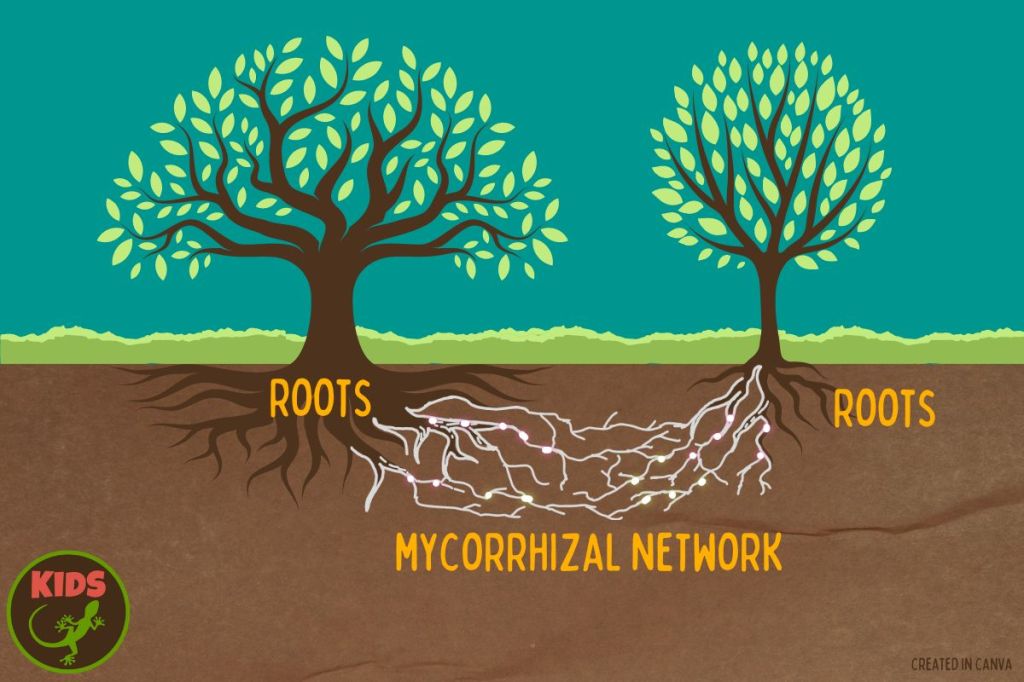
When one seedling or tree is under stress, small, weak, or unwell, a form of messaging goes out and another tree sends extra carbon! So the robust plant helps support the needful plant. The source plant is not harmed by doing this.
It gets better. They don’t just look after their own. The more diverse a forest, the healthier the forest. If a Douglas Fir is shaded in the understory and lacking some nutrients because of this, via the myccorhiza, the birch tree will send over 10% of its carbon (apparently that is A LOT). This is enough for that Fir tree to make seeds!
It gets better still. The trees know who their neighbours and family are. And a stressed “family member” can benefit from the health of its neighbours. Again, through the network. Say a Fir tree is under stress (maybe has an illness of some sort). It sends warning signals out through the fungal highways to its neighbours. And they respond by increasing production of defense enzymes so they all become more resistant to disease.
The trees do recognize their own family. Take a Mother/Hub Tree. If she is not well and maybe ending her life, she sends more carbon to her seedlings through the fungi pathways. Her seedlings receive this, nourished. It’s as if the Mother/Hub Tree is passing on her legacy, her energy to the next generation. She helps the young be more resilient.
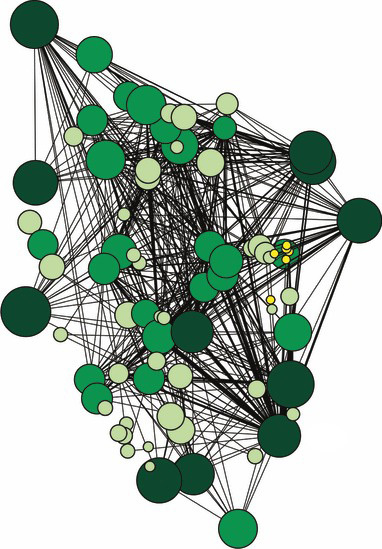
Trees are not solitary individuals but live in cooperative harmony thanks to the fungii. Trees and forests function based on cooperation, not competition. When a tree is isolated, it’s at risk. They might get too much sunlight or too much water, they might blow over, and they are more at risk for disease. When it’s part of a community with neighbours and family that help sustain each other, then it’s a vibrant, diverse family of trees.
This network model shows the links between Douglas Fir trees through the mycorrhizal network. The arrow points to the most highly connected tree. Diagram from Beiler et al. 2010 here.
Les réseaux mycorhiziens
dernière mise à jour 12 (2.0) (2026)
Les arbres se parlent à l’aide de champignons lorsqu’une forêt est en santé. Il y a un champignon nommé mychorize. Il pousse sous terre. Il ramasse de la nourriture et des nutriments et les transmets aux arbres par l’entremise de leurs racines en échange de photosynthate—le sucre lié à la photosynthèse. Le champignon relie carrément les plantes ensemble à la manière de routes souterraines. Les humains ne le voients pas, mais ils créent un RÉSEAU.
Imaginez une forêt de Douglas Vert (penser à Big Lonely Doug vers la fin de 12).
Il y a de jeunes arbres, de vieux arbres, des arbres anciens, etc. Surtout, il ya des « arbres-pivots » ou des « arbres mères ». Ce sont les sureaux, les plus larges et les plus âgés. Grâce au réseau de champignons, ces sureaux aident et nourrissent les jeunes poussent sous la terre.
Les routes micorhiziennes lient les arbres ensemble.
Ils créent des avenues de soutien. Comme un cartier ou une communauté. Du carbone, des nutriments et de l’eau circulent à travers du réseaux—ils sont transmis par les champignons comme des messages sur l’internet. C’est ce qui s’appelle la « Wood Wide Web ».
Lorsqu’une jeune pousse ou un arbre subit un stress (il est petit, faible ou malade), un message est émit et un autre arbre lui envoie plus de carbone! La plante la plus robuste supporte celle qui est dans le besoin. La plante source ne se blesse pas en faisant cela.
Il y a mieux. Les arbres ne s’occupent pas seulement de leur espèce. Plus une forêt est diverse, plus elle est en santé. Si un Douglas vert manque de nutriments dans le sous-étage, un bouleau lui enverra 10% de ses réserves de carbone (C’EST BEAUCOUP). C’est assez pour que le Douglas vert puisse générer des graines!
Encore mieux. Les arbres reconnaissent leurs familles et leurs voisins. Un parent stressé peut bénéficier de la santé de ses voisins à travers le réseau. Si un Douglas vert est malade, il émet des signaux d’alarmes à l’intention de ses voisins par le biais du réseau. Ces derniers répondent en augmentant la production d’enzymes de défense afin qu’ils deviennent tous plus résistants aux maladies.
Les arbres recconaissent leur propre famille. Lorsqu’un arbre pivot/arbre mère se sent mal ou commence à mourir, elle envoie encore plus de carbone aux jeunes pousses à travers le réseau de champignons. Les jeunes reçoivent ce cadeau et s’en nourrissent. C’est comme si l’arbre mère leur laissait un héritage. Elle lègue son énergie à la prochaine génération et les aident à devenir plus résilient.
Les arbres ne sont pas des individus solitaires. Ils vivent plutôt dans des communautés coopérative grâce aux champignons. Les arbres et la forêt sont de nature coopérative et non compétitive. Lorsqu’un arbre est isolé, il est en péril. Il pourrait recevoir trop d’eau ou trop de lumière, le vent pourrait l’achever et il a de plus grande chances de tomber malade. Lorsqu’il fait partie d’une communauté comprenant de la parenté et des voisins qui se soutiennent, il devient un arbre vibrant au sein d’une famille diversifiée.
Ce modèle montre les liens entre les Douglas vert à travers le réseau mychorizien. La flèche indique l’arbre le plus connecté aux autres. Diagram de Beiler et al. 2010 ici [En anglais seulement].
Coral Reefs, Australia. Bleaching
Last update | dernière mise à jour 12 (2023)
The National Ocean Service describes bleaching as: ”When corals are stressed by changes in conditions such as temperature, light, or nutrients, they expel the symbiotic algae living in their tissues, causing them to turn completely white.” (Resources: Ocean service here and CNN news here).
Bushfires and their Impact on Animals
Last update | dernière mise à jour 12 (2023)
“Nearly three billion animals were killed or displaced during Australia’s devastating bushfires, scientists say. The findings meant it was one of “worst wildlife disasters in modern history”, said the World Wide Fund for Nature (WWF), which commissioned the report. Mega blazes swept across every Australian state last summer, scorching bush and killing at least 33 people. Mammals, reptiles, birds and frogs died in the flames or from loss of habitat. During the peak of the crisis in January [2020], scientists had estimated that 1.25 billion animals had been killed in New South Wales and Victoria alone.” (Source BBC news here). Additional Resource here.
Wildfires
Last update | dernière mise à jour 12 (2023)
Wildfires across the world can occur naturally, and their periodic occurrences can help maintain and reset ecological balance for both plants and animals. To read about the ecological benefits of wildfires, click here. However, with the climate crisis, wildfires cause further climate change and climate change causes more wildfires.
“When it comes to climate, wildfires occupy an unusual space: they are driven by climate change and they help drive it. As this vicious cycle plays out and predictions of extreme future fire seasons continue, the need for human intervention to interrupt this cycle has never been more clear.… Climate change doesn’t operate like an on/off switch, meaning wildfires aren’t part of a “new normal.” (Source here). We are experiencing the effects of climate change, but they will neither be consistent nor uniform. Rather, climate change is like a slide and, when it comes to wildfires, we are quickly spiralling downward.” (Sources The Conversation here and The Washington Post here.)
Sloths
Last update | dernière mise à jour 12 (2023)
Character 7 references sloths in 12. These mammals invite us to consider how our society asks us to do everything quickly, and how sloths have survived for millions of years moving as slowly as well…a sloth.
Sloths are extremely slow-moving creatures. They hang, seemingly motionless on branches, between feeding and sleeping. This can be for 15 to 20 hours every day. There’s a reason, though: survival. Sloths eat a vegetarian diet and balance it with a slow-paced lifestyle, expending as little energy as needed to accomplish their needs.
“The fact that sloths have been around for 65.5 million years—just before dinosaurs disappeared—shows that a slow-paced lifestyle can be a good survival strategy in the wild.”(Source WWF here).

[Image Description: a sloth hangs from a tree branch, and appears to smile at us.]
Nature’s Solutions: Living Bridges
Last update | dernière mise à jour 12 (2023)
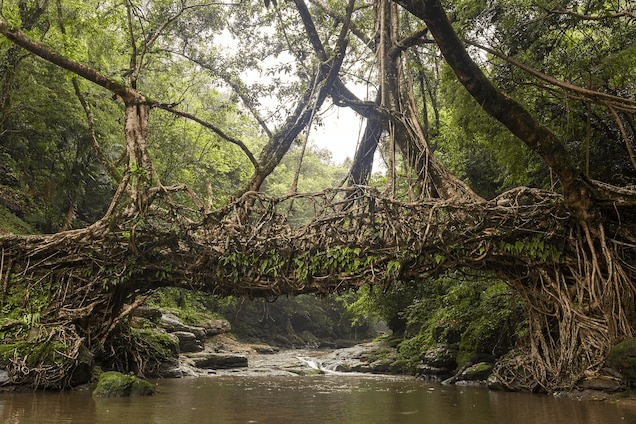
[Image description: tree roots woven together to form a bridge over a river in a lush green forest.]
The Khasi people in India work with Nature to build lasting structures that are part of the Earth, not destroying it. One example are their “living bridges.”
“Living tree bridges in India stand strong for hundreds of years: The entwined roots of Indian rubber trees form bridges that—unlike steel structures—grow more durable with time.” (Source here).
How do they do it? The Khasi bridge builders weave roots onto a wooden scaffolding such as bamboo, and train the roots to grow across the river. Then they implant them on the opposite river bank. Eventually the roots get shorter and thicker. They produce offshoots, “daughter roots”, which they also train to grow over the river. “I dare to hope,” says #11 in 12 after hearing about this.
“One of the very few examples in the world where humans have come up with a successful and natural solution; a way of working with nature to overcome the problems a wild river can cause.” (Source here).
Turritopsis dohrnii – The Immortal Jellyfish
Last update | dernière mise à jour 12 (2023)
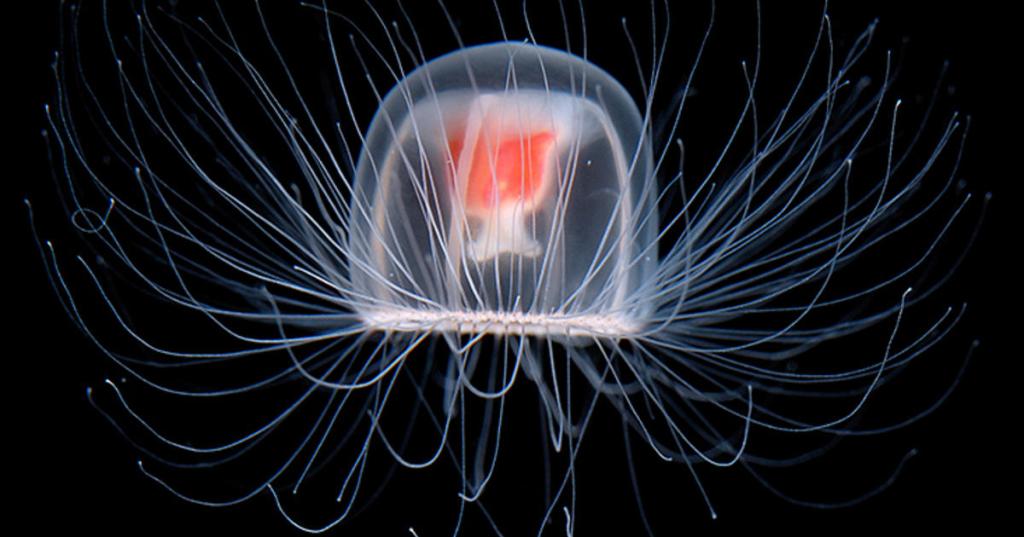
[Image Description: a translucent jellyfish in dark water.]
Immortality fascinates us at 12, the concept that time can possibly be infinite and that some life may not have an “expiry date”. During those rehearsal explorations, one of the young artists, Marisol (plays Character #6) shared their research into a particular sea creature called the Turritopsis dohrnii, or the Immortal Jellyfish.
Here’s how it earned that name, thanks to the researchers at The American Museum of Nature: “In a process that looks remarkably like immortality, the born-again polyp colony eventually buds and releases medusae that are genetically identical to the injured adult. In fact, since this phenomenon was first observed in the 1990s, the species has come to be called ‘the immortal jellyfish.'” They are extremely small and almost transparent, which makes them vulnerable. However, they have an uncanny ability to survive. When they are in physical danger or are near to starvation, they return back to their development process and transform back into a polyp. (For more: go to The American Museum of History here.)
Other Sources of Inspiration
Climate Litigation
Last update | dernière mise à jour 12 (2.0) (2026)
Over the last 30 years, lots of politicians and companies made climate promises — but very few follow through. Is there time left for politicians to get it right? Climate litigation gives the people, across generations, tools to fight back.
There have been over 800 cases from 1986 to 2014. That number has doubled from 2015 to now. Just from July 2020 to December 2022 alone, 630 new climate lawsuits were filed around the world.
Globally, youth are using climate litigation to set legal precedents and hold decision makers to account for fuelling the climate crisis and putting their futures at risk. Can citizens–especially youth–hold their governments responsible? YES.
Netherlands
The first landmark case, globally: Urgenda v Netherlands. In December, 2019, Dutch citizens–nearly 900 of them, including youth–under the name of Urgenda (meaning Urgent Agenda) won, forcing the Dutch government leaders to take action. This was the first time a government was forced by the people to reduce emissions.
The case started in 2007. It was a 12 YEAR BATTLE that went from a district court to a court of appeals and supreme court win. The Dutch Supreme Court ruled: “the government must adopt stricter emissions targets and has a legal duty to protect its citizens from climate harms.” It was the first time the people won a climate change lawsuit against a government.
Lead person: Marjan Minnesma. “The people sued the government and won.”
Montana
16 Montana youth, ages 5 – 22, sued their state government. They argued that the state’s fossil fuel-friendly (that’s 3 f’s) policies violated their constitutional right to a “clean healthful environment”, and there are clear links between burning fossil fuels and health (physical and mental).
The case started in 2020. The state was violating residents’ constitutional right to a clean environment by allowing oil, gas, and coal projects to happen without regard for environmental implications. “Plaintiffs have been and will continue to be harmed by the state’s disregard of greenhouse gas pollution and climate change, pursuant to the Montana policy act limitation.” LANDMARK ruling: Youth have a constitutional right.
Colombia, SA
25 youth took the Colombian government to court. They argued that their fundamental right to life and a healthy environment was threatened by inaction to slow deforestation and meet targets. They won. Also a triumph: the Supreme Court recognized intergenerational equality AND granted that the Amazon itself has legal rights.
South Africa
Youth Civil Society organizations v South African government. Won Dec 2024. Fought against the government’s plan to add 1500 megawatts of new coal-fired power to the national grid. Ruling: the government “did not adequately consider the impact of new coal generation on the rights of children and future generations.”
Australia
Started in 2020. 8 teens v Federal Environment Minister. The world’s FIRST legal recognition that people in power must not harm young people by their decisions. The fight was to try and stop the extension of a coal mine in New South Wales. The argument was that the coal mine will contribute to climate change and that the Minister, Miss Lay, had a legal duty to care for and protect young people in their future.
Result: the coal mine was not stopped. But there was a ruling that Miss Lay, the government, does have to protect young people from the future impact of climate change–a global first and precedent.
Canada: Mathur v Ontario.
In 2018, the Ontario government pulled back on the previous targets they had committed to. 7 Ontario youth–one was 12 in 2018, now 20–took their government to court for slashing targets (breaking commitment) and putting their health at risk. The youth argued: “The government’s scaled back 2030 climate target will worsen climate harms, in violation of their rights under the Canadian Charter of Rights and Freedoms.”
2024: the appeal worked. “A generation-defining hearing that could define whether the Canadian government has a constitutional duty to prevent climate change.” Basically, the youth are holding climate-delaying politicians to task for risking the future.
In Dec 2025, the youth went back to court, only to find that just days before their hearing, the Ontario government had repealed the climate law that was the focus of their case. The case was dismissed as a result.
Litige Climatique
En 30 ans, plusieurs politiciens et plusieurs compagnies ont émis des promesses par rapport au climat — mais bien peu d’entre eux tiennent leurs promesses. Reste-t-il assez de temps pour que les politiciens se reprennent? Le litige climatique outille les gens de toutes générations à se défendre contre ces injustices.
Depuis 1986 jusqu’en 2014, il y a eu 800 cas. Ce nombre à doublé de 2015 à maintenant. Du mois de juin 2020 au mois de décembre 2022, 630 nouvelles poursuites relatives aux changements climatiques ont été entamées autour du monde.
À l’échelle du globe, la jeunesse se sert du litige climatique pour instaurer des précédents légaux et s’assurer que les puissants soient tenus responsables de la crise climatique et de la mise en danger de leur avenir. Les citoyens—surtout les jeunes—peuvent tenir leurs gouvernements responsables? OUI.
Les Pays-Bas
Premier cas important à l’échelle globale: Urgenda c Pays-Bas. En décembre, 2019, les citoyens néerlandais—presque 900 d’entre eux, incluant des jeunes—sous le nom de Urgenda (qui signifie Agenda Urgent) ont gagné un procès obligeant les chefs du gouvernement néerlandais à prendre action. C’était la première fois qu’un gouvernement se voyait obligé de réduire ses émissions.
La poursuite à débuté en 2007. Un COMBAT DE 12 ANS s’en est suivi, passant d’un tribunal de grande instance, à la cour d’appels, à une victoire face à la cour suprême. La Cour Suprême néerlandaise à affirmer: « le gouvernement doit adopter des objectifs d’émissions plus strictes et à le devoir de protéger ses citoyens des dégâts climatiques » C’était la première fois que des personnes gagnaient une poursuite climatique contre le gouvernement.
Personne clé: Marjan Minnesma. « Le peuple à poursuivit le gouvernement et à gagné ».
Montana
16 jeunes du Montana, âgés de 5 à 22 ans, ont poursuivi le gouvernement de leur État. Ils soutenaient que les politiques pro énergie fossile de leur État violaient leur droit à un « environnement propre et en santé ». Il y a des liens évidents entre la combustion fossiles et la santé (tant physique que mentale).
La poursuite a été entamée en 2020. L’État violait le droit des résidents à un environnement sain en permettant aux projets liés au pétrole, au gaz à effet de serre et au charbon de se développer sans égard pour toutes conséquences environnementales. « Les plaignants ont été et continueront à être affectés par le mépris de l’État, en ce qui à trait à la pollution liées aux gaz à effet de serre et aux changements climatiques, conformément à la limitation de la loi politique du Montana ». Jugement HISTORIQUE: « Les jeunes ont des droits constitutionnels ».
Colombie, Amérique du Sud
25 jeunes ont poursuivi le gouvernement colombien. Ils soutenaient que leur droit à la vie et à un environnement sain était enfreint par l’inaction du gouvernement en ce qui avait trait au ralentissement de la déforestation et au fait de rencontrer certains objectifs. Ils ont gagné. Un triomphe: la Cour Suprême a reconnu l’égalité intergénérationnelle et a accordé des droits légaux à l’Amazonie elle-même.
Afrique du Sud
Les organisations de la société civile des jeunes c le gouvernement sud africain. Gagné en décembre 2024. Un combat contre le plan du gouvernement visant à ajouter 1500 mégawatts d’énergie lié au charbon au réseau national. Jugement: « le gouvernement n’a pas considéré l’impact du charbon sur les droits des enfants et des générations futures de façon adéquate ».
Australia
Entamé en 2020. 8 adolescents c le ministre fédéral de l’environnement. la PREMIÈRE fois que l’obligation des puissants de ne pas blesser les jeunes par le biais de leurs décisions à été reconnu légalement. Le combat visait à arrêter l’extension d’une mine de charbon en Nouvelle Galles du Sud. Ils soutenaient que la mine allait contribuer, madame Lay avait le devoir légal de protéger les jeunes et leurs futures.
Résultat: la mine de charbon n’a pas été arrêtée. Par contre, il y a eu un jugement selon lequel madame Lay et le gouvernement doivent protéger les jeunes des impacts futurs du changement climatique—une première mondiale et sans précédent
Canada: Mathur c Ontario.
En 2018, le gouvernement de l’Ontario a reculé par rapport aux objectifs qu’il s’était engagé à respecter. 7 jeunes ontariens—un d’entre eux avait 7 ans au en 2018, il en a 20 maintenant—ont poursuivi le gouvernement pour avoir réduit ses objectifs. Cela mettait leur santé en jeu. Les jeunes soutenaient: « le gouvernement à reculer sur ses objectifs climatiques pour 2030. Cela va empirer la situation climatique et violer nos droits selon la Charte Canadienne des Droits et Liberté »
2024: ils ont gagné en cour d’appel. « Un procès historique qui pourrait définir si le gouvernement canadien a le devoir de prévenir les changements climatiques ». En plus simple, les jeunes reconnaissent la culpabilité des politiciens qui ralentissent l’avènement de mesure climatique et qui mettent leurs futurs en jeu.
En décembre 2025, les jeunes sont retournés en cour et ont appris quelque jours avant que le gouvernement avait supprimé la loi climatique autour de laquelle se centrait leur défense. Leur cas s’est vu rejeté en raison de cela.
Anthropocene Exhibit, part of The Anthropocene Project
Last update | dernière mise à jour 12 (2023)
In the second last episode of 12, the characters “travel” to the Anthropocene exhibit at the National Gallery of Canada. This outing actually happened in 2018, and their experience became text in the 12 script. The staging of this scene was inspired by the size and shape of Big Lonely Doug, the second-largest Douglas Fir in Canada.
The exhibit “…explores the impact of human activity on Earth through photography, film installations and interactive technologies.”
From the National Gallery’s website: “Anthropocene is a major contemporary art exhibition featuring new works from the collective of Edward Burtynsky, Jennifer Baichwal and Nicholas de Pencier.
Through a variety of techniques, the three Canadian artists created a spectacular and compelling visual experience inviting reflection upon the environmental and ethical issues surrounding our exploitation of Earth’s resources.” (Source here).
Big Lonely Doug
Last update | dernière mise à jour 12 (2023)
Big Lonely Doug, named after its species, the Douglas Fir, is now about 1,000 years old and stands tall at 66 metres high – taller than Niagara Falls. Why “lonely”? Because it stands alone in the middle of what was once an Ancient Forest of Canada. This now famous tree comes with a story. Big Lonely Doug and the logger who fought to save it, Dennis Cronan, also helped to save the Ancient Forests of British Columbia. One tree and one human made a lasting, far-reaching impact.
Read more about this story here. If you want to go deeper, you can read the book, Big Lonely Doug: The Story of One of Canada’s Last Great Trees, by author Harley Rustad.
Burning of Tusks
Last update | dernière mise à jour 12 (2023)
Anthropocene: Ivory Burn
In 12, the actors refer to the burning of millions of elephant and rhino tusks. The characters all ask, “I wonder why?” This prompted our research. The burn happened on April 20, 2016 in Nairobi National Park. It sent a deeply symbolic and visceral message to the poaching and illegal trade syndicates, and forced them to bear witness to the loss of animal life and diversity, says the Anthropocene Exhibit team, who were witnesses. It was “the largest ivory burn in history. Eleven pyres comprised of 105 tonnes of confiscated elephant tusks and 1.35 tonnes of rhinoceros horn were set on fire as a clarion call to halt all ivory trade. The street value of the pyres was estimated to be between 105 and 150 million dollars – representing between 6,000 and 7,000 elephants.” (Source here).
Other Sources mentioned in 12
Last update | dernière mise à jour 12 (2023)
In 12, when the characters go on climate marches around the world (as they march on stage in 3 rotating lines), they call out actions that give them hope. Here are a few of them, and links for more information:
- Avocado Pits and Biodegradable Cutlery: BIOFASE company in Mexico (Source here).
- Costa Rica and how it became a deforestation model ( Sources: earth.org here, conservation in Costa Rica here, and good news network here).
- Sweden and their inspiring recycling system (Sources Sweden Climate sustainability here and trt world.com here).
- The Chemical Valley Project:
- In September of 2022, a play from Broadleaf Theatre called The Chemical Valley Project came to Ottawa. The team of 12 went to the play and spoke with its creators. The co-creators of Chemical Valley came to a 12 rehearsal. In the 2023 version of 12, we have added content that we learned from their play: the actions of Beze and Vanessa Gray, along with other Ontario Youth. They sued the Ontario government over its weakened climate policy! “In Sarnia, Ontario, an Indigenous community of 800 residents, is smothered by the Canadian petrochemical industry. Two siblings from Aamjiwnaang First Nation, Vanessa Gray and Beze Gray, have dedicated themselves to fighting environmental racism and to protecting their community’s land, air and water.” Source, and for more on The Chemical Valley Project and the actions of Beze & Vanessa, click here.
- For more about the *successful* lawsuit against the Ontario Government, click here.
- Just Stop Oil Climate protestors throw tomato soup at Vincent van Gogh’s painting. Character #7 mentions this in the play. (Source CBC news here).
- Bonus! “The Empathy Tool”: This refers to art that invites audiences to empathetically connect as a means to inviting action. “If you enter into an ‘environmental rant’, in our experience, people turn off.” –creators of The Anthropocene Project
Activities
Build a Scene
Last update | dernière mise à jour 12 (2023)
In 12, some scenes are almost like games. In episode 5, the characters try to name as many things as they can that involve the number “12”. In episode 10a, the scene ends with what I call “the Green Olympics”, where the characters try to “out-green” each other by naming anything that has the word green in it.
Scene Version 1: Numbers ( Script in Google doc here)
Here are the steps to build your own scene:
- Pick a number that is important to you or your group. Maybe it’s a date, a deadline, or an age. Make sure it is a number that has meaning to you–either in a positive way or not…or both!
- Come up with a list of as many phrases, words, and ideas that contain that number.
- *Make sure that the list has a balance of seemingly random and/or silly ones as well as those that connect to your deeper meaning/concern. For instance, in 12, character #2 says “twelve drummers drumming” and character #9 says “Ontario’s 12-Point Climate Plan”.
- Put them in an order. Notice that the order you script them in will affect how the audience both laughs at the game but also is impacted by your message with choosing that number.
Scene Version 2: Words (Script in Google doc here)
Here are the steps to build your own scene:
- Pick a word that is important to you or your group. Make sure it is a word that has meaning to the theme of your play, and that also occurs in many other meanings. For 12, the word is “green.”
- Come up with a list of as many uses of that word that you can find.
- Make sure that the list has a balance of seemingly random and/or silly ones as well as those that connect to your deeper meaning/concern. For instance in 12, character #10 says “green eggs & ham” and character #1 says “Green New Deal”.
- Put them in an order. Notice that the order you script them in will affect how the audience’s experience and understanding. They may laugh at the game while being impacted by your message. For our scene, we chose to end it with a very questionable practice, “Greenwashing”. The definition is the process of conveying a false impression or misleading information about how a company’s products are environmentally sound. Greenwashing involves making an unsubstantiated claim to deceive consumers into believing that a company’s products are environmentally friendly or have a greater positive environmental impact than they actually do. (Source and for more, click on What is Greenwashing).
Writing Prompts as Play: Math & Time
Last update | dernière mise à jour 12 (2023)
(from Kristina Watt, Director & Co-creator): In 12, one of the ways I built the script with the ensemble was to give them a piece of paper and pen, a time limit and an idea, then I said “go.” When it was “time’s up”, they had to stop, even if they were in the middle of a sentence or even a word. I did not always know what would come out or if whatever the cast wrote would end up in the final script. Everything I did with them to help build each version of 12 was framed as a game. For instance, in 12, episode 11a came from two games: one was to write for 3 minutes about anything to do with your connection to the word “math,” and the other anything that they think of or feel when they hear “numbers.”
Try this out with your group:
- Pick an idea that can be stated in one word only
- Set a time limit, such as 3 minutes only
- Hand out little pieces of paper and pencils/pens
- Collect all the writings after “time’s up” but with no one’s name on them
- Read them all out loud, everyone reading something that they did not write
- Invent a scene in which all of the characters offer their thoughts/feelings on an idea. Maybe you don’t include them all. Put them in a particular order that works for your play. For episode 11a, the order is very particular: it is a vacillating arc of those that are more personal and/or dark, and those that may be humorous or seem “random” to the audience. For me, I am very particular about which entry starts the scene and which ends it.
Meet the Creators
Last update | dernière mise à jour 12 (2023)
Get to know the creators of 12 through mini-interviews with each artist. Just click on their highlighted name and read about who they are and what it means to them to be part of the ever-changing 12. Learn about their specific concerns for the planet, their favourite word, and watch their personal “12 Weeks to 12″ countdown video.
Click here to go to the Creative Team’s page.
While you’re there… Go Deeper with some Activity Questions:
- What’s your favourite fact about the environment and why?
- Do you have similar or different concerns for the planet? What are they?
- If you could ask someone (even the PM) a question about climate change, what would you say?
Think about your Carbon footprint
Last update | dernière mise à jour 12 (2023)
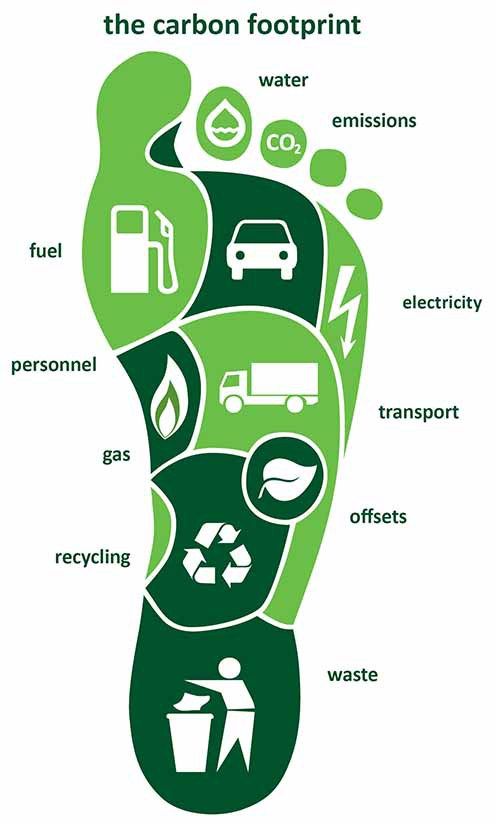
Our carbon footprint is the total amount of greenhouse gases (including carbon dioxide and methane) that are generated by our daily activities like driving and even the food that we eat.
“Globally, the average carbon footprint is closer to 4 tons. To have the best chance of avoiding a 2℃ rise in global temperatures, the average global carbon footprint per year needs to drop to under 2 tons by 2050.” (Source Nature Conservatory here).
YouFree Calculator online here (use the secondary tab for household and habits).
To read more about Carbon Footprints click here.
When we talk about Carbon Footprints we start talking about reducing our carbon footprint. A result of this has meant Carbon Off-set companies that sell ways that you can purchase ways to reduce carbon emissions such as planting trees to counterbalance your daily activities or your vacation. Read these articles for more information on Carbon Off-setting with this CBC article here and the carbon offset guide here.
Discussion prompt- What are some ways you, your family and school can reduce your carbon footprint?
Character 11 says: The Canadian Charter of Rights & Freedoms says we have the right to life, liberty and security. So don’t we have the right to a healthy environment?
12 Through Time
Last update | dernière mise à jour 12 (2023)
Since its beginnings in 2018, 12 is a play that changes with time. Why? Because the youth change–they evolve with time or there is a new cast member; because climate science changes as the planet does; and most importantly, because the receivers–the audience–change. Check out the Production History page to track the project’s ongoing history of productions.
Click here tto find out about 12‘s Production History.
While you’re there… Go Deeper with a Group Search Activity:
- Which creators have been part of the project from the beginning?
- What does “Green Lent” mean?
- What are “Friday’s for Future”? Do you think there are ways that you could get involved?
- How has researching 12 shifted your perspective on climate change? How with this change affect your actions?
Curriculum & Connections with 12
Last update | dernière mise à jour 12 (2023)
Although 12 is communicated in the form of theatre, its content speaks to many areas of life. If you see a curriculum connection that we haven’t made yet, please contact us!
The Arts
Social Studies, History, and Geography
- Grade 5, 6, 7, and 8: (link)
Social Sciences and Humanities
- Grade 11 & 12: (link)
Canadian and World Studies
- Grade 11 & 12: (link)
 100 Watt